Burning yard debris this fall? Six questions before you light the pile
The Township's fall burning season runs October 26 to December 13, permits are $30 and online only, and the Township permit is not the only rule you have to meet. The answers, question by question.
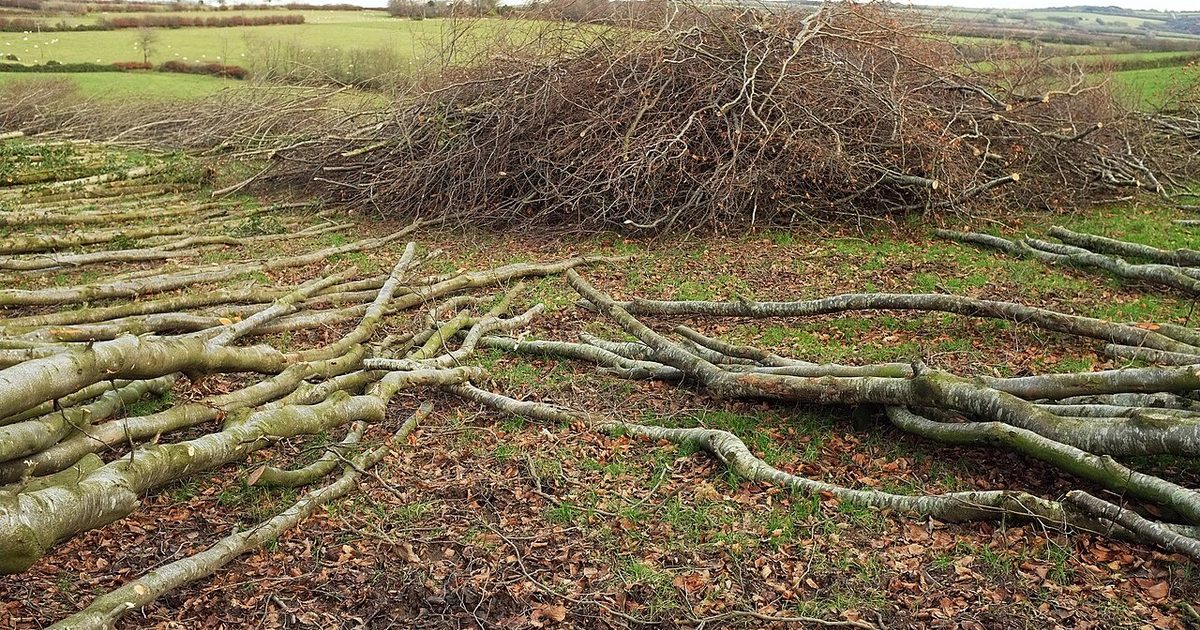
The first wet week of fall is when the brush pile behind the barn starts looking like a job for a match. In the Township that is legal for exactly seven weeks a year in autumn, and only with paperwork. This year’s window opened Monday, October 26 and closes Sunday, December 13. Before you light anything, here is what the Township, Metro Vancouver and (for the few City readers still hoping) the City of Langley actually require.
- Season
- October 26 to December 13, 2026 (Township of Langley only)
- Permit
- Incidental Outdoor Burning Permit, $30, online only, from the Township's burning page (separate forms for homeowners and tenants)
- Who qualifies
- Properties of 0.2 hectare (half an acre) or more, in areas where the neighbouring lots are the same size or bigger
- What you can burn
- Branches, leaves, plants, tree trimmings and weeds from the property
- Pile
- Max 1.2 m (3 ft) high and 2 m (6 ft) long or wide, at least 15 m (50 ft) from any structure or property line
- Also needed
- Metro Vancouver authorization for any pile bigger than a campfire, and a "good" ventilation index on the day
- Questions
- [email protected] (Township Fire Department, Fire Hall 6, 22170 50 Avenue)
Do I need a permit for a small pile of branches?
Yes. The Township’s page is blunt about it: all outdoor burning in the Township needs a valid Incidental Burning Permit, and the permit is only issued during the spring and fall seasons. The rest of the year the answer is no, whatever the size. The permit costs $30, is bought online (there is no counter sale any more; the Aldergrove Star’s report on the 2017 season describes $25 permits sold at rec centres, which tells you how the process has changed), and has to be on site while you burn, either printed or on your phone, in case a fire crew asks.
The catch for most Township households is the property test. Permits are only available to lots of 0.2 hectare, half an acre, and larger, and only where the surrounding lots are at least that big. A half-acre lot that backs onto a subdivision does not qualify. Back in 2017 the fire department said it plainly: no permits for Aldergrove, Murrayville, Brookswood, Walnut Grove, Fort Langley or Willoughby. The current page frames it as the lot-size rule rather than a list of neighbourhoods, but the effect is the same. This is a rural program for rural lots. If you’re on acreage on 0 Avenue, in Glen Valley, Salmon River Uplands or around Campbell Valley, it’s for you.
What about my fire pit, or a bonfire on Saturday?
Not covered, and not allowed. The permit is for yard and garden cleanup, not for recreation, and a Township fire notice spells out that outdoor bonfires are not permitted on private land or in backyards at any time. Cooking over wood is also out: under Fire Prevention Bylaw No. 6061, outdoor cooking in the Township is allowed only over charcoal, natural gas or propane in a CSA-approved appliance. A propane fire table is fine. A ring of rocks with a log in it is not.
I live in Langley City. Where’s my permit?
There isn’t one. The City’s Fire Protection and Safety Bylaw No. 2784 says nobody may cause open air burning within the City, with narrow exceptions for approved charcoal, gas and propane appliances, fire department training and film shoots with the fire chief’s written permission. Leaves and prunings in the City go in the organics cart or to a depot. (Our explainer on which Langley does what covers why the two sides of the line run so differently.)
What exactly can go on the pile?
Branches, leaves, plants, tree trimmings and weeds. The Township’s prohibited list is worth reading twice, because it covers the things people are most tempted to add on burn day: furniture or any other finished goods, garbage of any kind, old buildings, sheds, barns, plastics, tires and insulation. Pile size is capped at 1.2 metres high and 2 metres long or wide, and it has to sit at least 15 metres from any structure and from your property lines. The Township’s own tips are practical: build it wide and long rather than tall so the heat spreads; keep well clear of power lines, because smoke and ash can make them arc; stay away from fences; and pick a spot with open sky rather than under a tree canopy. No gasoline or other accelerant, ever. Have rakes and shovels within reach, a hose that actually reaches around the pile with real pressure, protective clothing on, someone watching the whole time, and spread and drown the ashes when you’re done rather than leaving it to smoulder overnight.
Is the Township permit the only approval I need?
No, and this is the part the permit page mentions in one line that is easy to skim past. Burning in the Township also has to follow Metro Vancouver’s open burning regulations, which run on a separate track with their own fee.
Metro Vancouver’s rule of thumb is size. A pile bigger than a campfire, which it defines as 60 cm high by 75 cm wide, needs Metro Vancouver authorization as well as the municipal permit, and Metro says in as many words that its authorization does not replace the fire department’s permit. For a single pile you register under Open Burning Emission Regulation Bylaw No. 1355: the residential registration fee is $50 the first time and $25 to renew. Under that bylaw one pile can be up to 2 metres high by 3 metres wide, the pieces in it have to be under 10 centimetres across, stumps are out, and the burn has to be finished in one day. The distances are bigger than the Township’s: 100 metres from any building on a neighbouring property, and 500 metres from the property line of a hospital, school or community care facility. If you can’t meet those, Metro’s flowchart says you cannot burn and should call its open burning line at 604-432-6237 about options. It also caps you at 12 burn days a year and 6 in any month, asks you to tell your neighbours before you start, and to keep a simple record of each burn.
Then there is the weather. Metro Vancouver posts a daily ventilation index with a burning forecast for seven zones; the City and Township of Langley are zone 2. Burning is only allowed when the index says smoke will clear: in Metro’s own worked example, “good” this afternoon and “good” tomorrow means you can light a new pile, while “fair” today means no burning. You can check the zone 2 forecast on the ventilation index page or call the recorded line at 604-436-6777, which is also how Metro asks to be notified that you intend to burn that day. The Township’s page carries the same warning from the other direction: Metro Vancouver can impose air quality restrictions at any point in the season, and the permit does not override them.
Is it worth the hassle, or is there an easier way?
For a few wheelbarrows of prunings, honestly, the Green Cart is less work than the paperwork. The Township takes extra green waste beside the cart in paper bags or in 80-litre cans with a free “Green Can” or “Yard Trimmings” sticker from a Township facility. Branches can go out in bundles tied with string or twine (no wire, plastic or nylon rope), up to 1 metre long and half a metre across, with individual branches no thicker than 7.5 centimetres, and nothing over 20 kilograms.
For a truckload, Metro Vancouver’s Langley Recycling and Waste Centre at 1070 272 Street takes yard trimmings at $139 a tonne with a $10 minimum that covers loads up to 75 kilograms, including stumps up to 30 centimetres across and 120 centimetres long. Winter hours, which started October 1, are 8 am to 5 pm Monday to Saturday and 9 am to 5 pm Sundays and holidays. Tarp the load: unsecured loads draw a surcharge.
If you do burn, the season ends on December 13 whether or not your pile is gone. After that the matches go back in the drawer until the spring window, which this year ran March 23 to April 26.