- What it is
- An independent, five-member board that can allow a minor relaxation of size, siting and dimension rules when following them would cause undue hardship
- Fee
- $500, non-refundable, plus applicable taxes (Fees and Charges Bylaw, Schedule 11). An extra $150 applies if you miss the City's deadline for application requirements
- Form
- Board of Variance Application (PDF), Building Division, [email protected], 604-514-2804
- Meets
- Fourth Wednesday of the month, only when there's an application
- Where
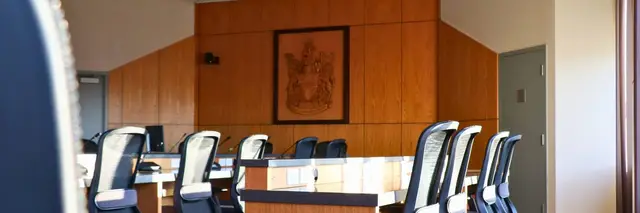
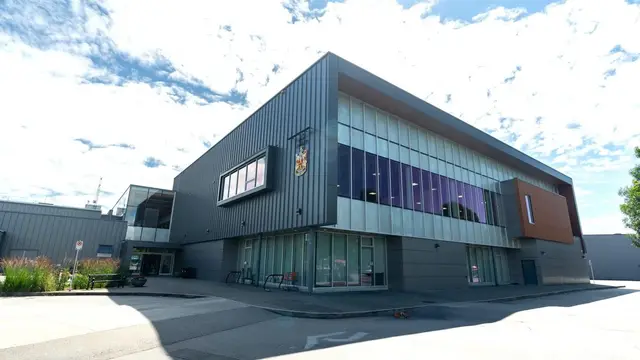
- Langley City Hall, 20399 Douglas Crescent, or on Zoom, decided application by application
- Contact
- [email protected]
- Official page
- City of Langley: Board of Variance
- Last checked
- November 9, 2026
Your new garage would sit 40 centimetres too close to the side lot line, and there’s no way to shift it. The City of Langley Board of Variance is where you ask for that kind of small exception. You apply on the City’s form, pay $500, and a board of five unpaid appointees hears you and your neighbours. Whatever it decides is final.
Council doesn’t appoint itself to this one. Under the Local Government Act, councillors, members of the advisory planning commission and City staff can’t sit on it. Council appoints the five members for three-year terms, and they elect their own chair.
How to apply for a variance in Langley City, step by step
-
Check that your problem is one it can fix. Provincial law (section 540) lets the board deal with hardship caused by rules on the siting, size or dimensions of a building or structure, the siting of a manufactured home in a manufactured home park, an alteration or addition to a building whose use no longer conforms to the zoning, some subdivision servicing requirements in farm or industrial zones, and tree bylaws. If what you need is a different use or more units, this isn’t the route.
-
Make sure your case passes the test. Under section 542 the board has to find undue hardship, and it has to be satisfied that the variance is minor and won’t:
- lead to inappropriate development of the site;
- harm the natural environment;
- substantially affect neighbours’ use and enjoyment of their land;
- change permitted uses or densities, or rental tenure rules;
- defeat the intent of the bylaw.
It also can’t touch anything covered by a registered covenant, a land use contract or permit, a phased development agreement, a flood plain specification, or protected heritage property.
-
Get your building permit application in first. The City’s form says it won’t take a Board of Variance application until a complete building permit application has been submitted.
-
Fill in the form and gather the package. The application form asks for the property and owner details and a short description, then a checklist: the fee; a written statement signed by the owner explaining the undue hardship and exactly what relief you want; two sets of architectural drawings reduced to 11 x 17; a site plan showing every building with its setbacks and the setback you’re asking for; a legal survey (including any height relaxation) if construction has already started; and a letter of authorization if an agent is applying for the owner.
-
Pay the fee. The Fees and Charges Bylaw (consolidated December 15, 2025) sets a Board of Variance application at $500, with an extra $150 if an applicant doesn’t meet the application requirements by the stated deadline. The establishment bylaw says the fee isn’t refundable and nothing is accepted until it’s paid.
-
Watch the deadline. Under Bylaw No. 2808, a complete application has to reach the City at least 15 business days before a hearing, or it rolls to the next one. If no application is waiting, there’s no meeting that month.
-
Your neighbours get a letter. At least five working days before the hearing, the City mails notice to the owners and occupiers of the properties next to yours, including across the street or lane.
-
The hearing. It’s open to the public. You, and any neighbour who got a notice, can speak or send someone to speak for you. You can ask in writing for it to go ahead without you. If you need an adjournment, ask the Corporate Officer at least seven working days ahead.
-
The decision is final. A majority decides, and a tie means the request is turned down. It doesn’t go to council; section 542 of the Act makes it final.
-
Then move quickly. Under the City’s bylaw, if you win and need a permit, you have 180 days to get it, and building has to start within 180 days after the permit is issued, or the approval lapses. If you lose, you can come back within 60 days with a different relaxation on the same matter, with another fee.
Board of Variance or development variance permit?
A development variance permit is decided by council, covers a wider range of rules, and starts at $5,000 on the City’s current development application form, which also lists a $500 minor variance permit. The Board of Variance is for an individual hardship and needs no council vote. Our guide to how a development gets approved explains the council route, and following development applications shows where to look up what’s planned near you.
Watching a hearing, and the records
Each application decides whether the meeting is at City Hall or on Zoom. To watch, email [email protected]. For a Zoom hearing, send your full name and email address by noon on the day and the City will reply with a link.
The City doesn’t post Board of Variance agendas or minutes online, but you can ask to see them at that same address. The bylaw also requires the City to keep a record of every decision open for public inspection during business hours.
Live in the Township? It has its own Board of Variance, with its own fee and schedule. Not sure which you’re in? See City vs. Township.
Agendas and minutes
We're adding this committee's agendas and minutes to our records archive. Until then, the official versions are on the City of Langley website.
Something out of date? Tell us.
Last checked November 8, 2026. Spotted something out of date? Tell us.