- Licence needed?
- No provincial licence for farriers in B.C. Voluntary certification exists (see below)
- How often
- Roughly every 6 to 8 weeks for most horses; up to 12 weeks in winter for some (UMN Extension)
- Local supplier
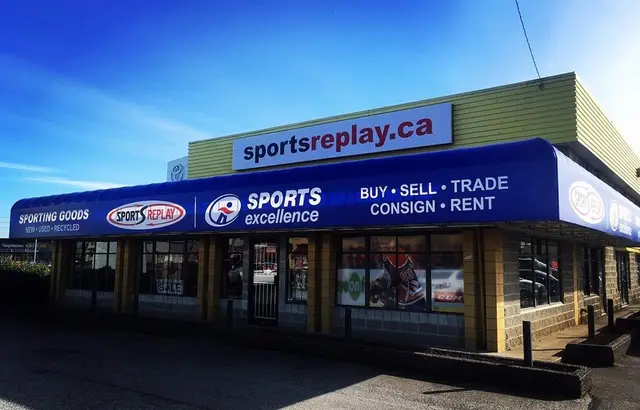
- High Country Horseshoes, 20381 62 Avenue, Langley, since 1972
- Nearest school
- KPU Certificate in Farrier Science, KPU Tech campus in Cloverdale (Surrey)
- Last checked
- November 24, 2026
Langley’s horse country runs on farriers, and most horses need one every couple of months. Yet good farriers rarely advertise. Most are one-person mobile businesses that fill their books by word of mouth and never build a website. If you’ve just moved to an acreage in Glen Valley or South Langley with a horse in tow, here’s how people here actually find one.
How do I find a farrier in Langley?
Ask around, in this order:
- Your vet. Equine vets work alongside farriers every week and know who handles difficult feet, young horses or drafts.
- Your barn. Boarding stables usually have a regular farrier who does the whole barn on one visit. Ask if you can join the rotation.
- The supply counter. High Country Horseshoes on 62 Avenue has sold shoes, nails, rasps and forges to farriers since 1972, so it’s a sensible place to ask who’s working nearby.
What do farrier certifications mean?
Nobody needs a licence to trim or shoe a horse in B.C., so certification is the easiest way to see what level someone has tested at. The Association of Farrier Trainers of Canada, founded in 2020, runs the Canadian Farrier Certification System with three levels:
- AAFC (Approved Apprentice Farrier of Canada): for recent farrier-school grads and apprentices.
- AFC (Approved Farrier of Canada): a farrier who has mastered everyday trimming and shoeing.
- AJFC (Approved Journeyman Farrier of Canada): advanced work.
You’ll also see American (AFA, such as CF or CJF) and British (DipWCF) letters after farriers’ names. Ask which exams they’ve passed, and whether they keep up with clinics.
The B.C. rule on corrective shoeing
This one catches people out. B.C.'s Veterinarians Act doesn’t let anyone but a vet assess a horse’s health or prescribe therapy. The American Farriers Journal, interviewing a KPU farrier instructor, reported that on paper this means farriers in B.C. may only do corrective or therapeutic shoeing under a vet’s supervision, even though day-to-day practice has been more relaxed. If your horse needs therapeutic shoes for a lameness, the cleanest route is to have your vet and farrier work together on it.
Questions worth asking before the first visit
- How long have you been shoeing, and do you specialize (sport horses, drafts, ponies, barefoot trims)?
- Will you watch the horse move before you start?
- How far ahead do you book, and what’s your schedule in winter?
- Do you work with my vet on X-rays when needed?
Then watch them work: a good farrier stays calm and quiet around a nervous horse.
Where farriers train
KPU has run a farrier program for decades (one of its current instructors graduated from it in 1982). Today’s Certificate in Farrier Science is a 30-week program at the KPU Tech campus in Cloverdale, a short drive from Langley. Students are in class and the shop four days a week, then spend 240 hours from March to May working beside a professional farrier. Tools cost about $2,200 on top of tuition. The last intake KPU posted ran October 27, 2025 to June 5, 2026; check the program page for the next one.
More horse-country pages: Langley horse country, riding lessons and stables and equine vets.
Something out of date? Tell us.
Last checked November 23, 2026. Spotted something out of date? Tell us.