Car 67, explained: the nurse-and-officer team Langley has been asking for since 2015
A police officer and a psychiatric nurse in an unmarked car, answering mental-health calls together. Surrey has had one since 2000, Chilliwack and Squamish got theirs in 2023, and Langley has the car but not the nurse. What the program is, why it's stuck, and who to call in the meantime.
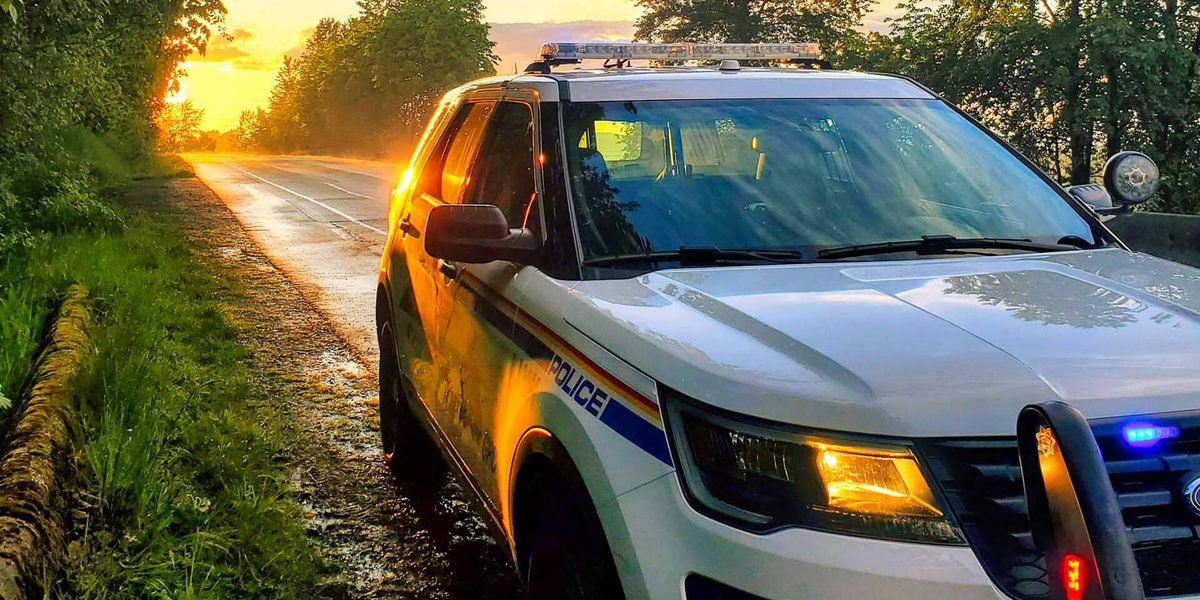
Somewhere in the Langley RCMP’s lot there is an unmarked car that was bought and fitted out for a job it has never done. That is the shortest version of the Car 67 story. The longer one takes a few questions.
What is Car 67?
A police officer and a mental-health nurse, usually a registered psychiatric nurse, riding together in an unmarked police car and sent to calls where someone is in a mental-health crisis. The nurse does the assessment and takes the lead; the officer is there for safety. On the spot they can de-escalate, do a proper mental-status exam, check medications, connect the person to community mental-health or addiction services, and, when it is really needed, arrange a hospital admission. The point is to give someone in crisis a health response rather than only a police one, and to keep people out of the emergency department, and out of handcuffs, when neither is necessary.
The name is a Surrey thing. Surrey’s team was set up on November 29, 2000, under an agreement between the RCMP and Fraser Health, and “Car 67” was simply what that unit was called. The program has since been renamed Mobile Integrated Crisis Response, or MICR, across BC, but almost everyone in Langley still says Car 67, so we will too.
How does it work where it exists?
Surrey’s is the one Langley keeps being shown. It now runs as a partnership between Surrey Police Service and Fraser Health, seven days a week from 10 am to 10 pm, in an unmarked vehicle so a police car doesn’t arrive at the door of a family already having its worst day. Frontline officers still go first: someone calls 9-1-1 or the non-emergency line, an officer assesses, and if the call is a mental-health one and the team is on shift, Car 67 takes it over. If the team is off duty, the officers handle it and refer the person for follow-up when the car is back on.
The Surrey officers who came to Langley in February to explain it said the unit’s nickname on the street is “the nice police.” The nurse wears the same soft body armour as the officer, with NURSE across the front in large letters. Fraser Health’s own account of the Surrey program says the nurse can see both the medical file and the police file, which gives the pair a fuller picture than either would have alone, and that the team sits on a monthly forum with a psychiatrist, BC Ambulance, parole and emergency staff to work out plans for the people they see most often.
The Province’s numbers explain the demand: in BC, one in five interactions with police involves someone with a mental-health disorder.
Who has one?
More places than you would guess. By 2023 teams were running in Kamloops, Kelowna, Prince George, Fort St. John, Richmond, Surrey, Vancouver, the North Shore, Nanaimo and Victoria. In July 2023 the Province put $3 million toward adding nine more: Abbotsford, Coquitlam and Port Coquitlam, Burnaby, Chilliwack, Penticton, Vernon, Squamish, Prince Rupert and the Westshore. Fraser Health’s current list of teams in its region is Burnaby, Coquitlam, Port Coquitlam, Abbotsford, Chilliwack and Surrey.
Not Langley. At the February round table that fact came up over and over: Chilliwack has a team at barely more than half Langley’s population, and Squamish has one at about 30,000 people. The City and Township together are around 190,000.
So why doesn’t Langley have one?
Because a Car 67 needs three things, and Langley has two.
The car is bought. The Advance Times reported in February that Langley RCMP has already purchased and equipped an unmarked vehicle for the program. The police side is staffed: the detachment’s mental health liaison unit is, in the words of the MLA who organised the round table, “ready to go,” and the officers on it told the room a nurse would be “a huge help” because the nurse, not the officer, leads the conversation.
What is missing is the nurse. The clinical half of a MICR team is funded through the health authority, which means Fraser Health, which means the Province. The Advance Times notes the Langley project has had support from politicians in every party and at every level of government for several years. It has just never been funded.
The asking has a long history. Langley City’s 2015 crime-prevention strategy called on the Province to extend Car 67 here. In the 2024 provincial election, the NDP’s three Langley candidates promised a Langley MICR team if re-elected; the party was, and the team did not follow. Langley-Willowbrook MLA Jody Toor, a Conservative, has been asking in the legislature why Fraser Health or the Province would not fund the nurse, and in February 2026 she convened the Timms Centre round table of police, politicians and agency heads to figure out how to move Victoria. Both mayors at the time, Nathan Pachal in the City and Eric Woodward in the Township, promised to keep pushing.
What happened in April?
Langley City council stopped waiting, a little. On April 13, 2026 it voted to put a one-year Mobile Integrated Crisis Response pilot into the City’s 2027 budget deliberations, with an evaluation at the end, following a recommendation from the City’s Citizens’ Assembly. The idea is to run it, measure it and hand the Province a business case for picking up the ongoing cost, as it does elsewhere. That is a consideration for the budget, not a funded program; the 2027 budget gets built this winter, and the people building it have changed. Both Langleys elected new councils and new mayors on October 17, and the new City council sits for the first time on November 2.
And the election?
On October 24 the BC Conservatives won a majority and Jody Toor held Langley-Willowbrook. Her first words on priorities that night were about getting Car 67 “off the ground here in the community.” The party that promised the team in 2024 is now in opposition, and the MLA who has been asking for it is now on the government side; once the new cabinet is sworn in, Fraser Health will answer to a minister from her own party. Whether that changes the funding answer is the thing to watch. As we write, no funding has been announced and the new government has not been sworn in. We will update this page when either changes.
What happens on a mental-health call in Langley right now?
Police go, on their own. That is not nothing: the Langley detachment has a mental health liaison team, and it sits on the Langley Interagency Frontline Table (LIFT), a regular meeting of local agencies about people and families at risk. But at the scene, an officer without a nurse has a narrower set of choices. If someone appears to be at immediate risk to themselves or others, the officer can apprehend them under the Mental Health Act and take them to the nearest emergency department, which in Langley means Langley Memorial. Avoiding exactly that trip, when it isn’t needed, is the thing Car 67 exists to do.
Who to call
- Someone is in immediate danger: 9-1-1.
- Thoughts of suicide, yours or someone else’s: call or text 9-8-8, any time.
- A crisis that isn’t an emergency, or you need to talk: the Fraser Health Crisis Line, 604-951-8855 or 1-877-820-7444, 24 hours a day.
- Police, non-emergency: Langley RCMP, 604-532-3200. Our Langley RCMP page has the detachment’s offices and hours.
If a Langley Car 67 is funded, the number to call will not change. You will still dial the police; the difference is who steps out of the car.