Can a beginner actually show at tbird? The G.R.O.W. series, answered
Thunderbird Show Park's new winter schooling series lets green horses and first-year riders compete indoors for $25 a class: the dates, the walk-trot and trot-pole divisions, what it costs all in, how to enter, and the catch about the calendar year.
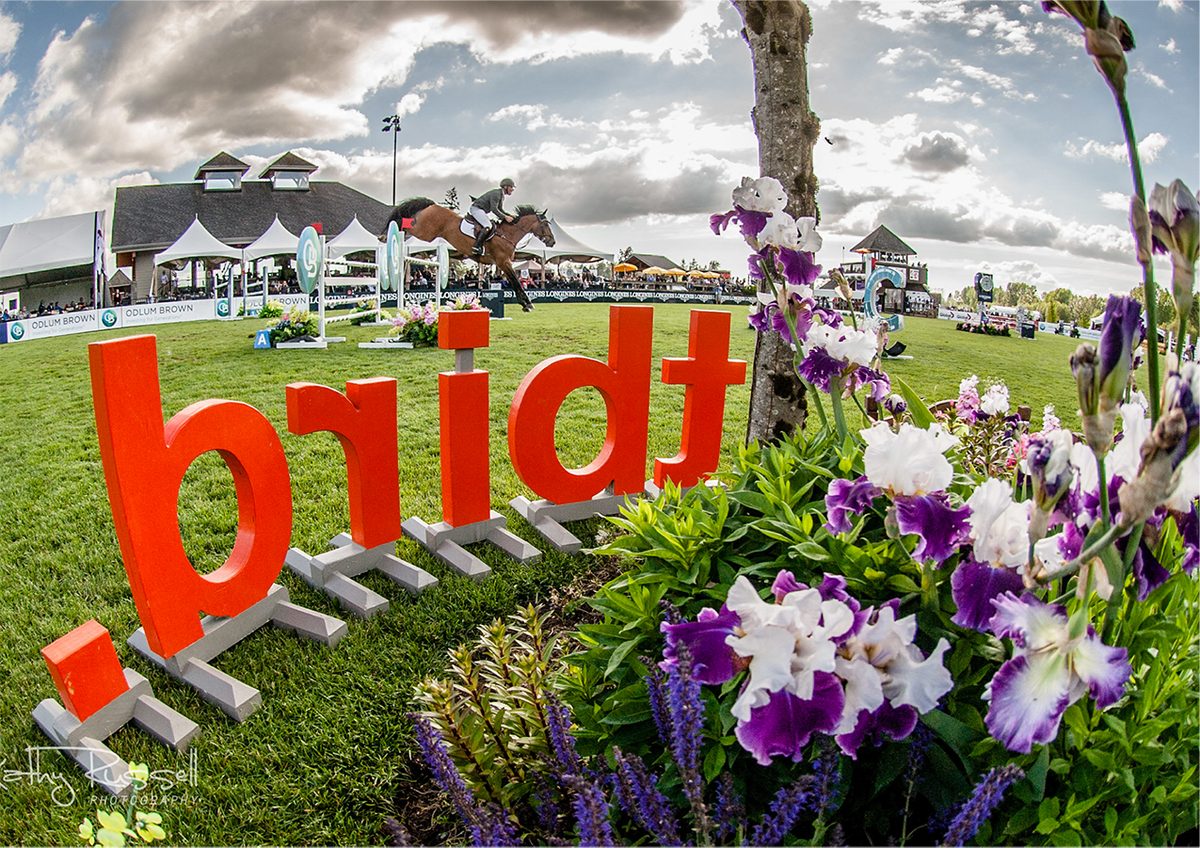
Short answer: yes, and for the first time there’s a series built for it. Thunderbird Show Park on 248 Street, the place that hosts FEI Grand Prix jumping every summer, has started a winter schooling series called G.R.O.W. (“Growing Riders, One Weekend at a time”) aimed at green horses and riders in their first year or two of showing. The first one ran October 24 and 25 with a Halloween costume class, and the Langley Advance Times put the turnout at about 64 riders. The next one is November 14 and 15. Here’s what a Langley rider, or a parent of one, would want to know before entering.
When are the shows?
Five weekends, four of them indoors:
- November 14–15 (entries close November 6): featured class is a Teams of Three hunter round at 2’3"
- January 16–17 (close January 8): a two-rider jumper relay
- February 13–14 (close February 5): a 0.90 m Gambler’s Choice
- March 12–14 (close March 2): the outdoor finale, with a Mini Prix and series championships
Each show has a schooling day the day before, Friday for the indoor shows and Thursday in March, with warm-up rounds from 8 am to 5 pm. On show days the hunter and jumper rings both start at 8 am, and the tournament office is open 7 am to 4 pm. Entries go in online at showgroundslive.com; the prize book and entry form are on tbird’s competitor information page.
How low do the classes go?
Lower than you’d guess for a venue with that reputation. The hunter ring starts at walk-trot on the flat (under-saddle and equitation, with separate sections for green riders), then trot poles, cross poles, 18 inches, 2 feet, and up in three-inch steps to 3’3". The jumper ring starts at 0.65 m and climbs to 1.20 m. Most heights are split into Open and Junior/Amateur sections. Two rules shape where you land: a green rider is someone in their first or second year of showing, and nobody can cross-enter between walk-trot and anything over fences. Pick a lane.
What does it cost?
The prize book lists the fees, all plus GST:
- $25 per class, $20 per warm-up round
- $45 for the featured specialty class each month
- $35 exhibitor/medic fee per show
- $75 deposit per entry when you enter, refundable in full up to 8 pm on the closing date; entries after closing pay a $25 late fee
- $105 haul-in for a horse that isn’t stabled (October to February; $140 in March)
- $264.75 for a stall October to February, $314.75 in March, with five bags of shavings included; stabled horses also pay a $24 manure fee
So a hauled-in horse doing three classes and a warm-up round is about $235 before tax ($75 in classes, $35 exhibitor fee, $105 haul-in, $20 warm-up), with the $75 deposit charged when you enter. Not pocket money, but a fraction of a summer tournament. First place in every class wins a prize, and series champions in each division are crowned at the March finale, where points count double; a class only counts toward the series if it has at least two entries.
Do I need a membership?
Yes. The October-to-February shows are sanctioned by Horse Council BC, so every rider, trainer and owner needs a current HCBC membership. In 2026 that’s $69 plus tax for an adult and $49 plus tax for a youth, but HCBC memberships expire December 31, which matters here: the January and February shows fall in a new membership year. HCBC sells a combined 2026/2027 membership ($102.50 adult, $75.84 youth, plus tax) for exactly this situation. The March finale is different again: it’s an Equestrian Canada Bronze competition, so riders, trainers and owners need an EC Bronze licence, and that show adds a $4 medication-testing fee per entry. EC coaches at the finale must be at least Registered and upgrading to Licensed.
What about the horse’s paperwork?
Every horse on the grounds, showing or not, needs equine influenza and equine herpes virus (1 and 4) vaccinations given within the last six months (with a 21-day grace period), and none in the seven days before arrival. Records go into the Equitrace app, and the park says non-compliant horses will be asked to leave. The prize book’s hard-hat rule requires an approved helmet with the harness done up on any mounted rider anywhere on the grounds, and a fall anywhere on site means a check by the on-site medical staff before riding again.
Can I just come and watch?
The park’s ticketed spectator season is over until 2027, and the GROW shows aren’t listed as spectator events. These are schooling shows run for the competitors, in the indoor arena, in November and January. If you want to see one, email the show office at [email protected] first rather than turning up at the 248 Street gate expecting a grandstand. The summer Grand Prix days, with the face painting and pony rides, are the spectator product; this is the quieter, more useful end of the same place.
Why this matters for Langley
Langley calls itself horse country, and plenty of the kids riding at its lesson barns have never shown anywhere. A sanctioned, two-day, indoor show in their own township, with a walk-trot division and a $25 class fee, makes that first step a short one, and the park says being the first competition for young riders is part of what it’s for. More on where Langley rides in our horse country guide.
Dates and fees above are from the 2026 prize book; the park can change them, so read the current version before you enter.