Grade 10 to 12 students can tour Cascade Aerospace's Hercules hangars on Dec. 3, but applications close Monday
Langley School District's Career Education team is taking Grade 10 to 12 students on a morning tour of Cascade Aerospace at Abbotsford International Airport on Dec. 3. Students apply through their school's career advisor, and applications are due Monday, Nov. 30.
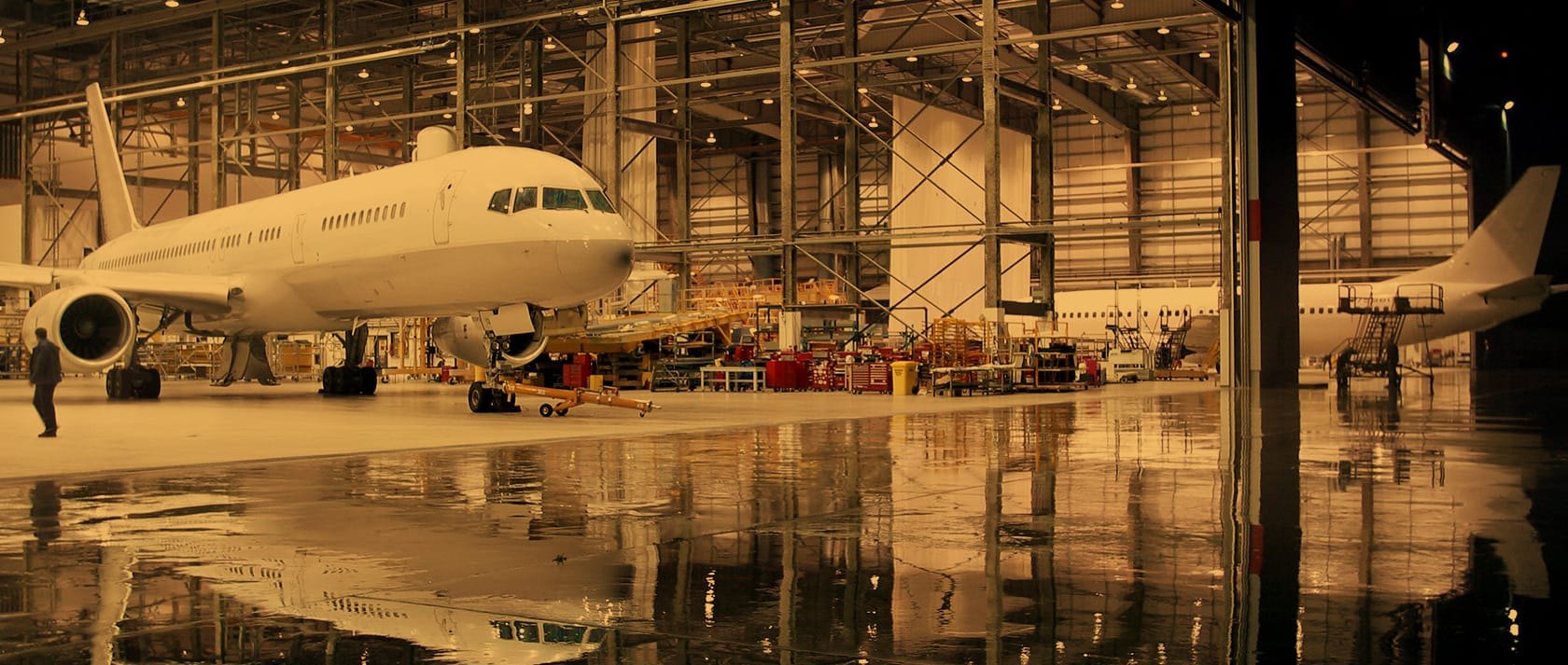
If you’ve got a teenager who builds model planes, takes apart anything with a motor, or keeps asking how a giant transport plane stays in the air, this one’s for them. The Langley School District’s Career Education team is taking students in Grades 10, 11 and 12 on a tour of Cascade Aerospace on Wednesday, Dec. 3, from 7:45 a.m. to noon.
The catch is the deadline. Applications are due Monday, Nov. 30, and they go through the student’s school career advisor, not an online form. So if your kid is interested, the move is a quick chat with the career advisor on Monday morning, at the latest.
The quick facts
- What: a guided tour of Cascade Aerospace, looking at careers in aerospace, engineering and the trades that go with them
- When: Wednesday, Dec. 3, 7:45 a.m. to 12 p.m.
- Who: Langley School District students in Grades 10 to 12
- How to apply: see your school’s career advisor for the application
- Deadline: Monday, Nov. 30
The district announced it on Nov. 26. Spots on industry tours like this are usually limited, so earlier is better. Ask the career advisor about getting there and back too, since the tour starts before the bell.
So what is Cascade Aerospace?
You’ve probably driven past it without knowing. Cascade sits at Abbotsford International Airport at 1337 Townline Road, about a 25-minute drive from most of Langley, in a hangar complex of roughly 230,000 square feet with direct access to the airfield.
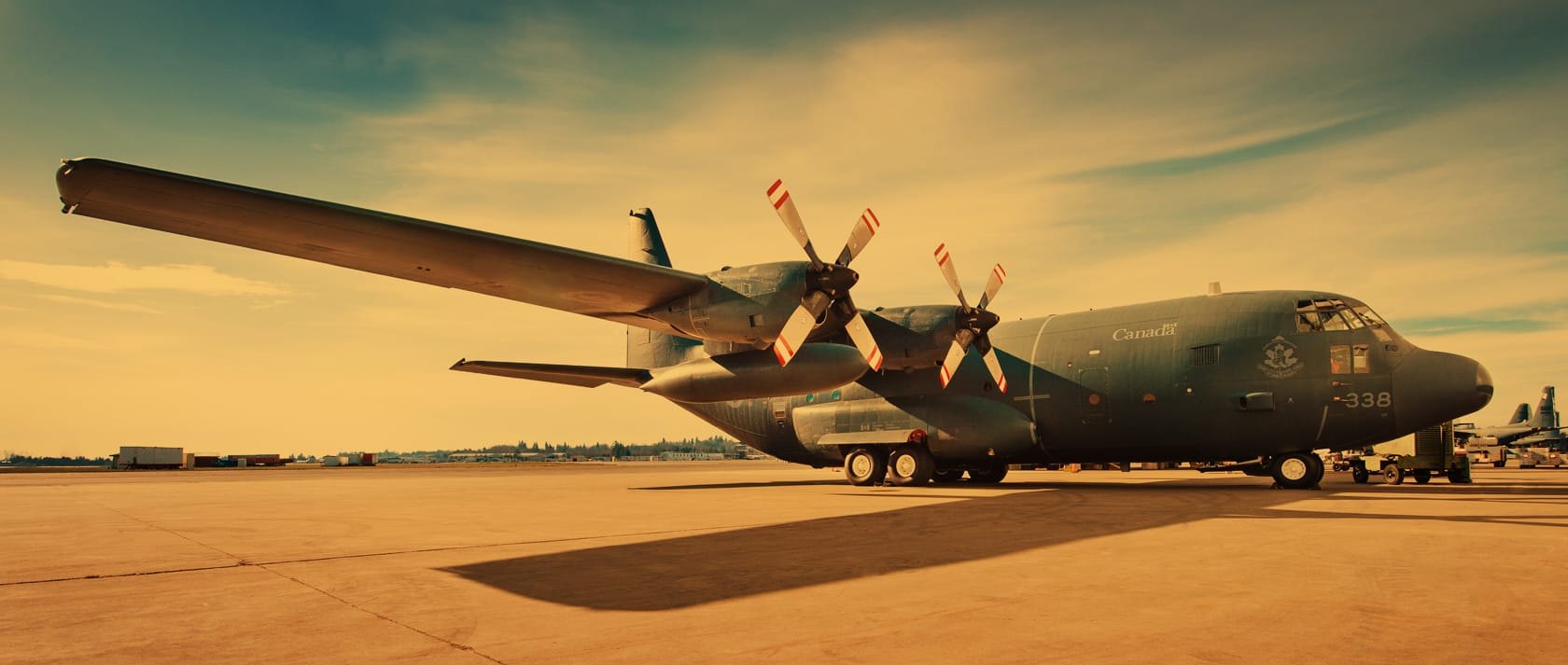
It doesn’t build planes. It keeps them flying. Cascade is an aircraft maintenance, engineering and modification company, and its biggest claim to fame is the Lockheed Martin C-130 Hercules, the big four-propeller transport plane the Royal Canadian Air Force uses for everything from search and rescue to delivering aid after disasters. Lockheed Martin has named Cascade one of only two authorized C-130J Heavy Maintenance Centres in the world, and it’s also an authorized C-130 Service Center. For years it has been the prime contractor looking after Canada’s Hercules fleet: program management, engineering, maintenance, parts and technical support. It marked its 100th CC-130 delivered back to the RCAF in 2015.
It isn’t all military. Cascade also works on commercial and specialty aircraft, including Boeing 737s and 757s and the De Havilland Q400 and the CL-215 and CL-415 water bombers, doing heavy maintenance, structural repairs, cargo conversions and modifications.
Behind the hangar doors is a long list of approvals students will hear about on a tour like this. Cascade is a Transport Canada approved maintenance organization, manufacturing organization and training organization, and it holds a Transport Canada design approval it says it has had since 1990, making it Canada’s longest-serving design approval organization. That design side is where aerospace engineers come in: figuring out a modification, proving it’s safe and getting it signed off before a mechanic ever picks up a tool.
Cascade is part of IMP Aerospace & Defence, the aerospace arm of Halifax-based IMP Group, and has about 500 employees, according to its Aerospace Industries Association of Canada profile. It’s one of the larger skilled employers in the Fraser Valley.
Why it’s worth a morning out of class
A lot of students hear “aerospace” and think pilot or rocket scientist. A hangar tour shows the rest of it: aircraft maintenance engineers (AMEs) with their licences, structures technicians, avionics and electrical people, machinists, painters, inspectors, planners, supply chain and the engineers designing the fixes. Plenty of those jobs start with a trades program or a college diploma, not a university degree.
That ties in with what the district already offers. SD35 Career Education runs Youth Train in Trades (tuition-free trades training while still in high school) and Youth Work in Trades (paid work that counts toward an apprenticeship), and the career advisors are the people who connect students to all of it. If the tour lights a spark, that’s the next conversation.
Cascade posts its openings on the IMP Group careers site, which is a useful look at the kinds of jobs and qualifications it hires for.
More on the same track
- Our Langley School District page has the district’s contacts and board meeting dates.
- KPU’s Trades & Technology Career Fair on Feb. 2 is the next big chance to talk to trades programs and employers in person.
- Other upcoming workshops for students are on the events calendar.