Township council, March 23: the budget is adopted, a Tenant Protection Bylaw is ordered and Willoughby's plans go out for comment
Township council adopted its 2026-2030 financial plan, sent a tenant relocation policy back to become a tenant protection bylaw, and sent new Willoughby plans out for public engagement.
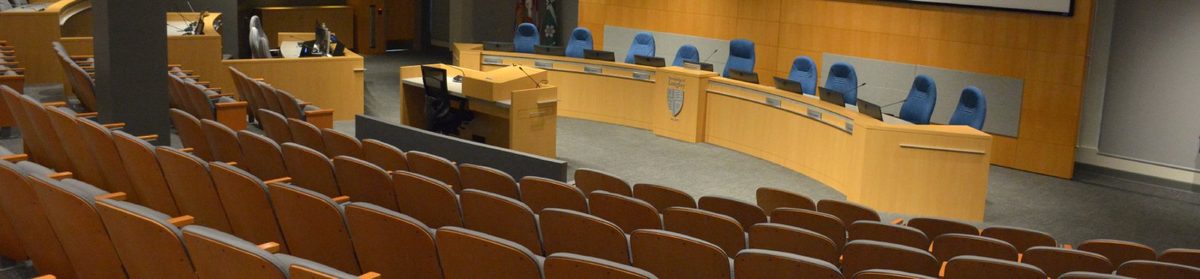
- Meeting
- Regular Council Meeting, Monday, March 23, 2026, 1:30 pm, Fraser River Presentation Theatre, Township Civic Facility, 20338 65 Avenue
- Official record
- Minutes (PDF) · Agenda and staff reports (PDF)
The budget is adopted
Council gave final reading to the 2026–2030 Five-Year Financial Plan Bylaw and the Development Cost Charge Reserve Fund Expenditure Bylaw. As at every earlier step, the vote was 5–4, with Councillors Kunst, Martens, Richter and Whitmarsh opposed. The revised Amenity Cost Charges Bylaw was also adopted.
From a renters’ policy to a renters’ bylaw
Staff brought forward a draft Tenant Relocation Policy, which sets what a developer must offer tenants who are displaced by redevelopment. Instead of endorsing it, council referred it back so tenant protections could be written as a Tenant Protection Bylaw, using the Province’s March 2025 policy manual on tenant protection bylaws.
The difference matters. A council policy is guidance. A bylaw can be enforced. The bylaw got its first readings on April 27 and was adopted June 15.
Willoughby’s next plan goes out for comment
Council directed staff to take the draft Willoughby Community Plan, the draft Willoughby Transit Corridor Plan (as amended) and proposed changes for a consolidated Gordon Neighbourhood Plan out for public engagement. These are the plans that decide what can be built in Willoughby as SkyTrain arrives at Willowbrook. They came back for first and second reading in May.
Less parking near rapid transit
Bylaw 6209, a Zoning Bylaw amendment cutting parking requirements near bus rapid transit, got all its readings and was adopted the same day. Council amended it first to remove two locations on 96 Avenue (at 199A and 201 Street) and to change the 200-metre distance used to set where it applies. A motion to delay it to April 13 was defeated.
The reasoning for parking cuts near transit is that people who live there drive less, and every parking stall adds to the cost of a home. The worry on the other side is spillover onto nearby streets.
A memorial for the toxic drug crisis
The Langley Community Action Team made the same request it made to Langley City council on March 9. Council referred it to staff to report on possible locations, designs, costs and funding for a memorial to victims of the toxic drug crisis.
Also
- 7342 208 Street: an OCP amendment and rezoning got first and second reading, with changes to the development prerequisites (Councillors Martens and Richter opposed the changes).
- Fraser Highway: a rural OCP amendment was referred back to staff, to work with the proponent on something more in line with the Fraser Highway Employment Lands Reference Plan and less disruptive to nearby homes and rural uses.
- Transit grants: applications to TransLink’s Transit Minor Betterments program were approved, including $100,000 for widening 86 Avenue between 200 and 202 Street.
- Heritage grant: a $4,750 grant to repaint the outside of the historic Mathews Cash Grocery.
- Public art: a resident’s offer of a mural led to several motions. A referral to look for venues for it, and a motion to rewrite the Public Art policy first, were both defeated.
More background: How development gets approved · Who pays for growth: DCCs and ACCs