Township council, Nov 4: a forensic audit of the last four years, and a full list of rule changes
Two days after being sworn in, the new Township council voted 7-2 to order an independent forensic audit from November 2022 on, set up a standing audit committee, and asked staff for a 60-day list of every procedural rule changed last term.
- Meeting
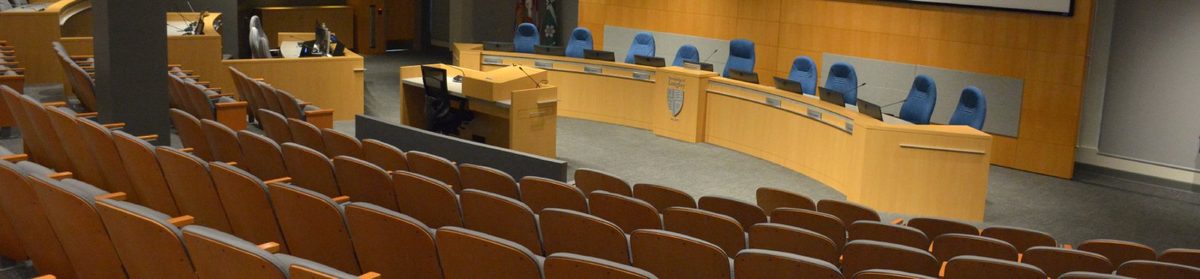
- Special Council Meeting, Wednesday, November 4, 2026, 11:00 am, Fraser River Presentation Theatre, 20338 65 Avenue
- Official record
- Minutes (PDF) · Agenda (PDF) · Video · Township news release
- Result
- Forensic audit carried 7-2; procedure inventory carried
The new Township council’s first business meeting lasted about an hour in public before moving into a closed session. It dealt with two motions, both tied in their own wording to commitments the new majority made during the campaign, and both passed.
The forensic audit: what it covers
Councillor Richter moved and Councillor Kunst seconded a motion to hire an independent forensic audit team that reports directly to council. Staff choose the team, which has to include at least a chartered professional accountant with forensic experience and an investigator, plus legal, engineering or real estate specialists as needed. Because the motion wants results quickly, it lets staff skip the usual timelines in the Township’s purchasing policy.
The audit covers November 7, 2022 to the present, the whole last council term, and looks at:
- the Township’s finances, borrowing, reserves and internal borrowing, including the Township of Langley Housing Trust and any other body the Township owns or controls
- every land purchase, sale, lease, exchange and option agreement
- every capital project: approved budgets, change orders, actual costs and where the money came from
- contracts, grants, requests for proposals and indemnities, checked for legality, value for money and compliance with the Community Charter and Township policy
Staff and employees must give the auditors full access, and nothing in scope may be destroyed or altered while the audit runs. The team reports to council in writing “as soon as practical.”
Paying for it. The audit is funded first from what’s left in the Mayor’s Contingency Fund, then the Council Contingency, then last year’s surplus. The motion also says the Mayor’s Contingency Fund is to be abolished in the 2027–2031 financial plan.
Two other pieces. Council created a Standing Audit Committee (the mayor and appointed councillors) to meet at least monthly, liaise with the auditors and review the financial plan, borrowing and capital program. And staff have 45 days to report on every capital project under way or approved: budget, spending so far, forecast cost to finish, schedule and funding source.
Why its supporters say it’s needed
The motion’s own preamble lays out the case its backers made. It says that counting borrowing in place, in progress and approved, Township taxpayers carry up to nearly $800 million in debt, about $14,500 per household and more than any other BC municipality. It says $177 million of that went through the Township of Langley Housing Trust without the elector approval the Community Charter requires for Township borrowing. It points to a 22% rise in property taxes over the last term and a further 22.8% in the current five-year plan for 2027. Those are the motion’s claims; the audit is meant to test them.
The other side of the vote
Councillors Ferguson and Pratt, who served on the previous council, voted against. Before the final vote they tried two things, both defeated by the other seven members:
- refer it to staff first for a presentation from a forensic auditor explaining what a forensic audit involves
- divide the motion, so its parts could be voted on separately
The main motion then carried 7-2.
A list of every rule changed last term
The second motion, from Councillor Townsley and seconded by Councillor Chalus, asks staff to report within 60 days with every procedural, governance or administrative bylaw, policy or delegation adopted, changed or repealed between December 1, 2022 and November 4, 2026. That includes the Council Procedure Bylaw, the code of conduct, delegation and public hearing rules, the purchasing policy, the contingency funds, the indemnification bylaw and FOI procedures. For each change the report has to show who moved it, the vote, what it did in plain language, and whether it shifted power between the mayor, council and staff, with the wording before and after. The report is to be published on the Township website, with a schedule for reviewing the procedure bylaw within 90 days.
Councillors Ferguson and Pratt moved to give staff 120 days instead of 60, then to defer the motion to November 16. Both were defeated, and the motion carried.
What happens next
Council then went into a closed session on personnel, legal and other items. Watch for the 45-day capital project report (due around mid-December), the procedure inventory (around early January), and the audit committee’s terms of reference. The audit’s first use came quickly: on November 16 council sent a corrected 2025 supplier payment list to the audit team. For the bigger picture of the new councils’ first months, see our first 100 days guide.