Township council, Nov 16: new DCC rates adopted, the transportation plan sent back, and a closer look at Langley's water
The new Township council's first full regular meeting adopted new development cost charges, sent two big policies back to staff for presentations, approved an 84-room hotel addition, asked for a report on new wells and set up quarterly RCMP updates.
- Meeting
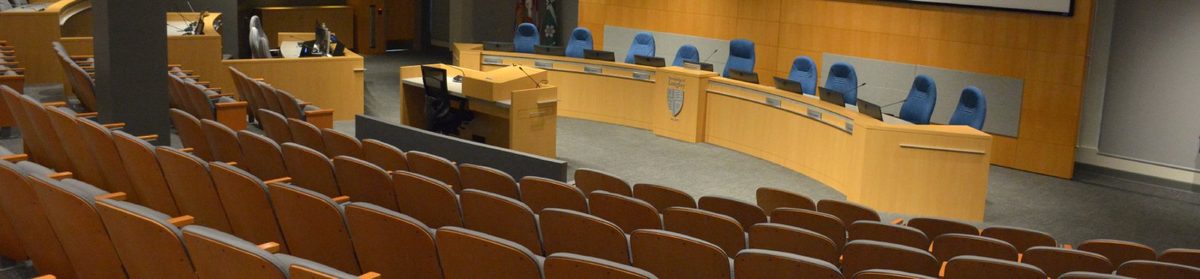
- Regular Council Meeting, Monday, November 16, 2026, 1:30 pm, and a Public Hearing at 7:00 pm, Fraser River Presentation Theatre, 20338 65 Avenue
- Official record
- Minutes (PDF) · Agenda and staff reports (PDF) · Video
- How we know the votes
- The Township's minutes now list each item with a time stamp in the meeting video instead of writing out the motions and votes. The outcomes below are from the Township's own video, at those time stamps.
- Next meeting
- Monday, November 30, 1:30 pm, with a public hearing at 7:00 pm
Councillor Richter wasn’t at the table for at least part of the meeting. Almost everything that came to a vote passed unanimously. Where the new council did push back, it wasn’t by voting things down. It sent them back to staff and asked to be walked through them first.
Developers’ growth charges: new DCC rates adopted, review in a year
Development cost charges are the fees builders pay so that growth covers part of the roads, sewers, water and parks it needs. (Our explainer, who pays for growth, covers how they work.) Council gave final adoption to DCC Bylaw 6189, which replaces the old bylaw and the interim rates that took effect November 2.
Asked for the history, staff summed it up plainly: the Township’s rates were low, the interim bylaw went high, and this bylaw lands in between. Councillor Townsley asked about a clause that lets staff assign a charge where a project doesn’t fit a listed land use; staff said every such call will be recorded on a DCC worksheet at building permit.
The bylaw passed unanimously. Council then added a second motion, also unanimous: review the bylaw within a year to see how it affects the building industry and the Township’s finances. Councillor Pratt asked whether that review would need outside consultants, as past DCC reviews have, so staff will first report back on the cost and scope before the review starts.
Two big plans sent back for a closer look
The Transportation and Mobility Strategy has been waiting since July 27, when the last council deferred it to this meeting. It’s meant to be the Township’s long-term guide to transportation priorities, and the version on the table had been revised so its maps show only the transit stations identified in public engagement. Councillor Pratt thanked staff for the work. Mayor Lundgren moved to refer it back to staff for an update, recommendations, an itemized list of targets for the next five years and a presentation to the new council. That passed unanimously.
The Infrastructure Renewal Program and Policy had sat on the table since November 3, 2025. It would set policies for funding the replacement of ageing roads, pipes and buildings, one for general revenue and one for utility rates. Councillor Kunst asked how it differs from the old asset management policy and what happened to any reserves set up for it. Council referred it back to staff for updates, recommended changes and a presentation; Councillors Whitmarsh and Ferguson both said a walk-through matters because the policy is so central to the budget. Unanimous.
The 2025 supplier payment list: approved, and sent to the forensic audit
Every year the Township publishes how much it paid each supplier. Staff found two entries in the 2025 list were overstated because the financial system let one transaction number attach to several invoices:
- Cobra Electric Services: reported as $9,723,709.81, actually $985,047.91
- Lidstone & Company (a law firm): reported as $1,803,297.06, actually $261,883.12
Staff said the payments themselves and the audited financial statements were right; only this listing was wrong. Councillor Chalus moved to also send the schedule to the new forensic audit team, given the size of the changes and the legal costs involved. Councillor Martens said she had concerns about the legal fee figures and wanted the auditors to look. Staff supported approving the corrected schedule, which has to go to the province, and referring it at the same time. Both passed unanimously. (Background on the audit: what council ordered on November 4.)
Water: a report on new wells in Fort Langley and Brookswood
This motion from Councillor Kunst was deferred in February. It notes that after eight municipal wells were decommissioned, large parts of the Township rely only on water bought from Metro Vancouver. She said a plan for responding to an emergency is not the same as having backup supply, and asked staff to report on:
- the cost and timeline of drilling and commissioning new wells in Fort Langley and Brookswood for emergency and peak-demand supply
- a public engagement plan on future water system options
- publishing an updated Water Emergency Response Plan
Councillor Ferguson asked about the Aldergrove wells; staff said they and the treatment plant are operating and maintained, and that they know of no contamination concern for municipal wells (they couldn’t speak for private ones).
Councillor Pratt moved two amendments. The first would have focused the motion on emergency preparedness, given long-running complaints from residents about water from Fort Langley Well 2 and the Brookswood and Murrayville wells; it was defeated, with Mayor Lundgren and Councillors Chalus, Kunst, Martens, Townsley and Whitmarsh opposed. The second would have added a report on the cost of an aquifer protection plan and an updated water sustainability plan; Councillor Kunst said that could be its own motion, and it was defeated by the same six. The main motion then passed unanimously.
Quarterly RCMP updates
Councillor Martens moved that the Langley RCMP officer in charge be asked to report to council every quarter: policing priorities, crime and call trends with comparisons, staffing and response times where available, traffic safety and crime prevention work. She said the OIC has reported quarterly to the City of Langley for years and it stopped at the Township last term. The motion keeps police operational independence and privacy limits in place. Unanimous.
Hotel addition, a church rezoning and housing numbers
- 8750 204 Street: council approved a development permit for an 84-room, 4,697 m² addition to the existing hotel by Highway 1 in Walnut Grove, with variances raising the height limit from 12 m to 16.8 m and cutting required parking from 190 to 152 spaces. Councillor Pratt asked whether it would block a future pedestrian overpass on 204 Street; staff said none has been designed yet. Unanimous.
- Grace Hanin Community Church, 22940 48 Avenue: first and second reading to rezone 4.12 ha in Murrayville for a church of about 6,161 m², with a $100,000 voluntary amenity contribution offered. Unanimous; a public hearing comes next.
- Housing target, year one: the province wants 6,596 net new homes in the Township by August 2030. Year one called for 989; the Township reports 1,516, plus 2,165 units issued through permits and 7,299 with third reading but waiting, which staff say many builders are holding back on given the economy. Council approved sending the report to the province, unanimous.
Everything else
- Grants: applications for $30,000 (emergency support services), $45,000 (Canada Day 2027) and $250,000 for the Northwest Langley Dyke design and slope monitoring. All unanimous.
- 2027 council calendar: approved.
- Councillor training: all members can attend the provincial newly elected officials seminar, December 9–11, from the conference budget (about $39,000 left for 2026). Councillor Pratt was opposed.
- Agricultural bylaw task force: its term was extended to March 31, 2027, and an ALC decision about a BMX track was sent to it for comment. Unanimous.
- Railway crossings at Glover Road and Church Street (Fort Langley): a consultant found both meet federal standards and recommended about $435,000 of improvements, mostly pedestrian gates at Glover Road, plus work toward ending train whistling at Church Street. Information only for now.
- Delegations: council heard from the Langley Farmers’ Institute and from residents on employment lands, electoral reform, a utility late fee and a tree on private property. Council referred the electoral reform suggestions to staff (unanimous) and directed staff to help the resident remove the tree and plant a replacement, with Councillors Pratt and Townsley opposed. Both said they sympathised but worried about deciding one case while the tree bylaw itself needs review.
- Released from closed meetings: a $1.7 million transfer from the 212 Street connector project to the 88 Avenue and Glover Road intersection; an earlier council’s decision to cover legal costs (capped at $40,000 each) for current and former council members named in a BC Supreme Court proceeding; and a September 2024 decision of the last council authorizing legal action to identify the administrators of “The Langley Monitor” Facebook page, which Councillors Kunst, Martens and Richter opposed at the time.
The evening public hearing: truck parking on 8 Avenue
At 7 pm council held a hearing on two rural lots at 27043 and 27099 8 Avenue that want permanent truck parking under a new M-15 zone (our preview has the full detail, including the conditions staff want met). Everyone who spoke was in favour, and most said they work in trucking. They said the region is short of legal truck parking, that drivers are ticketed for parking illegally, and that these lots aren’t in the ALR, are near the border crossing and are away from homes. Nobody spoke against it during the hearing.
Nothing was decided that night. A public hearing only gathers input; council can’t hear anything more about these bylaws now, and third reading comes at a later meeting.
What’s next
The next regular meeting is Monday, November 30. Watch for the transportation and infrastructure presentations, the 45-day capital project status report ordered on November 4 (due around mid-December), and the first look at the 2027 budget. If you want to speak to council, our guide on how to read a council agenda explains how delegations work.