How a care home like Langley Lodge is paid for, and why it still throws a gala
Fraser Health pays most of the bill, residents pay up to 80 per cent of their after-tax income, and a non-profit society on 204 Street runs the place on what's left. On the eve of the Lodge's Building for the Future gala, here is where every dollar of a long-term care bed comes from, what the public system covers, and what it doesn't.
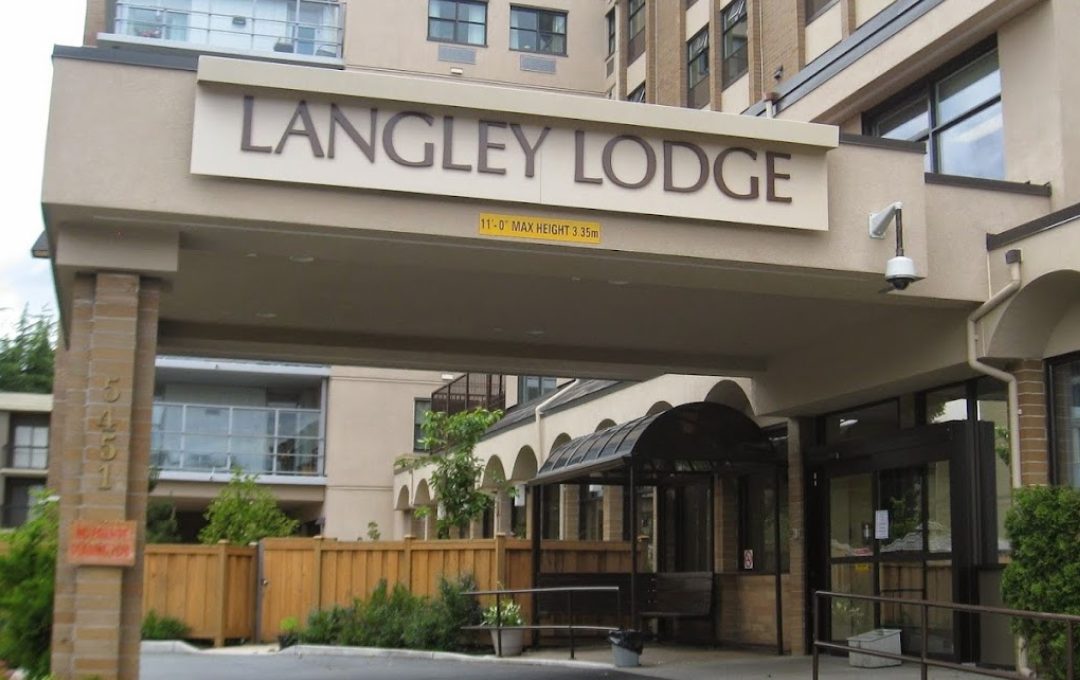
- What it is
- Langley Lodge, 5451 204 Street: 139 long-term care beds in a building opened in 1974, run by the non-profit Langley Care Society, with more than 170 staff
- Who pays
- Fraser Health paid the society $12.9 million in 2023-24 for the publicly funded beds; residents paid $3.6 million in fees; donations and everything else made up the last one per cent of a $16.5 million budget
- What a resident pays in 2026
- Up to 80% of after-tax income, between $1,507.70 and $4,142.60 a month. At the Lodge in 2024-25 the range was $1,466 to $4,073, average $2,235
- The gala
- Building for the Future, Friday, November 20, 6 to 11 pm, Coast Langley City Hotel, $250 a ticket. The 2024 gala raised more than $165,000
On Friday night people will put on green for the Langley Lodge gala, eat a buffet dinner at the Coast hotel and bid on auction items. It happens every year, and every year a reasonable person asks the same question: isn’t a care home paid for by the government? The answer is mostly yes, and the gap between “mostly” and “entirely” is what the evening is for. Here is how the money works.
Who owns the Lodge, and who funds it?
Not the Province, and not Fraser Health. Langley Lodge was built in 1974 as a community project (the Lodge’s own history credits a Rotary Club president with getting it started) and it is owned and run by the Langley Care Society, a non-profit. The building on 204 Street has 132 single rooms and seven doubles, about 246 square feet each with an ensuite, and it has run around the clock for 52 years. A separate registered charity, the Langley Care Foundation, raises money for it; the gala is the foundation’s event.
What makes it a public care home is a contract. Fraser Health is the health authority for Langley, and it pays the society to provide long-term care in most of the Lodge’s beds to people the health authority assesses and places. The Office of the Seniors Advocate, the provincial watchdog that publishes a card on every care home in BC, lists the Lodge as a “contracted” not-for-profit facility with 137 publicly funded beds and two private-pay ones as of March 2025. (The Lodge’s own report says Fraser Health funded 133 beds in 2023-24, up from 123 the year before; the number has been creeping up as the health authority buys more.)
In money terms, the society’s most recent annual report puts its 2023-24 operating budget at $16.5 million. Of that, $12.9 million came from Fraser Health, $3.6 million from residents’ fees, and roughly $130,000 from everything else. So about 77 cents of every dollar is public, 22 cents is the residents’ share, and one cent is donations, investment income and the like. Where it goes is no mystery either: 78 per cent of spending is people. Nursing, care aides, kitchen, housekeeping and maintenance, some of it done by the society’s own staff and some by contractors (the Seniors Advocate’s card notes that housekeeping, care aides, plant maintenance and food are contracted at the Lodge, while the professional nursing is not).
What does Fraser Health’s money buy?
The Province sets a guideline that a long-term care resident should get an average of at least 3.36 hours of direct care a day, counting nurses, care aides and allied health staff such as physiotherapists and recreation therapists. Fraser Health funds the Lodge to exactly that number, 3.36 hours, in both of the last two reporting years: three hours of nursing (mostly care aides, at 2.29 hours, plus licensed practical nurses and a slice of registered nurse time) and 0.36 hours of allied health. The society’s own figures say it delivered a bit more than it was funded for in every recent year, 3.46 hours against 3.44 in 2023-24.
That funding, together with the resident’s fee, is meant to cover what the Province calls the basics: a bed and room, a care plan, help with washing and dressing and eating, meals including special diets, routine laundry and linens, basic incontinence supplies, routine medical supplies, a basic wheelchair for anyone who needs one, and a program of planned activities. Food is a line item of its own. Fraser Health’s funded food budget at the Lodge works out to $9.53 per resident per day in 2024-25, against a provincial average of $11.68.
What does a resident actually pay?
This is the part most families don’t know until they’re sitting at the intake desk. A publicly funded bed is not free. The resident pays a monthly rate set by the Province: 80 per cent of their after-tax income, with a floor and a ceiling. For 2026 the minimum is $1,507.70 a month and the maximum is $4,142.60. The minimum is pegged so that someone living on Old Age Security and the Guaranteed Income Supplement keeps $325 a month for themselves. The health authority, not the care home, works out the number from your tax return, and a home can’t change it. Couples sharing a room on the GIS married rate pay less, and there’s a hardship process for a temporary reduction.
At the Lodge, the Seniors Advocate’s card shows what that looked like in practice for 2024-25: residents in subsidized single rooms paid anywhere from $1,466 to $4,073 a month, and the average was $2,235. The same card gives a daily rate of $293.08 per resident for the year, which the Seniors Advocate defines as the public funding per bed per day, resident’s share included: roughly what it takes to keep one bed running for one day.
What the fee doesn’t cover is a long list, and it is the same list at every public care home in BC: your own phone, cable and internet, hairdressing, foot care and the mobile dentist, hearing aids and glasses, a walker or a specialised wheelchair and cushion, brand-name supplements you prefer over the standard ones, dry cleaning, your own choice of incontinence products, outings and extra recreation beyond the planned program, transport for personal trips, and a companion if you want one. Medications and personal-care items are extra at the Lodge too, per its own FAQ.
So where does the gala money go?
Into the gap. The Langley Care Foundation puts it plainly on its CanadaHelps page: physiotherapy, pastoral care, art, music and horticultural therapy are “not totally funded by the healthcare system”, and the foundation exists to pay for the difference. The Lodge’s donate page lists the kind of equipment it buys with gifts: hygiene shower chairs at $10,300 each, lift-and-transfer chairs at $10,700, slings for the lifts at a few hundred dollars apiece, a bladder scanner that has since been funded. Past annual reports describe the smaller stuff too: the auxiliary’s book and chocolate sales paying for televisions and Christmas decorations, and private donations and grants helping fund the society’s outreach beyond the building.
The biggest single thing the foundation funds isn’t inside the building at all. The Seniors Peer Support Program sends volunteers out to isolated seniors in Langley, 55 and over, and brings them in once a week for a social morning, music and a dietitian-approved lunch, with bus transportation, at no charge. The Lodge says the program runs entirely on donations to the foundation.
The gala is the foundation’s largest single fundraiser. The 2024 edition, for the Lodge’s 50th anniversary, sold out at $250 a ticket and raised more than $165,000. This year’s is Friday, November 20 at the Coast Langley City Hotel and Convention Centre, 6 to 11 pm, with duelling pianos, a buffet and live and silent auctions, and tickets are again $250 through the Lodge’s gala page. The society’s auxiliary chips in year-round with book sales and frozen-food fundraisers, and the Lodge shares an annual butterfly release at Krause Berry Farms with the Langley Hospice Society.
Why the gap isn’t closing on its own
Two things are squeezing homes like this one. The first is who comes through the door. The society’s report says seniors are staying home longer before they are referred, so new residents arrive frailer and with more complex needs than a decade ago; the Seniors Advocate’s card puts the average age at 84, with more than half living with dementia and the average stay just under two years. More complex care on the same 3.36 funded hours is a harder sum.
The second is the funding model itself. The society’s reports have been waiting for a new provincial funding formula for contracted homes since at least 2023; a year ago it expected one in 2025. As of The Tyee’s reporting in October 2025 it still wasn’t in place, and the Province ended the pandemic-era supplements that had helped operators cover overtime and agency staffing. Operators warned the change would hurt, and the ministry’s position was that the money had always been temporary. Both sides’ arguments are in that article.
Where this fits in Langley
Langley has five publicly funded long-term care homes, and they’re a mix. Langley Lodge and Jackman Manor in Aldergrove (88 beds, run by the Aldergrove Lions Seniors Housing Society) are non-profits. Chartwell Langley Gardens in Walnut Grove (92 beds, 73 of them public) and Fort Langley Seniors Community (96 beds) are run by for-profit companies under the same kind of Fraser Health contract. The 200 beds at Langley Memorial Hospital are the health authority’s own. All five are funded to the 3.36-hour guideline or a shade above.
None of them has an empty bed for long. The Seniors Advocate’s 2024-25 numbers put the average wait for any admission in Fraser Health at 91 days, and for someone waiting at home for a non-urgent placement at 402 days; at the Lodge the average was 87 days, with a range from a week to nearly two years. Fraser Health announced in September 2024 that it has bought land beside the hospital for a 300-bed home of its own, and the Lodge’s CEO told the Advance Times last summer that it is at least six years away. The society, for its part, has answered Fraser Health’s call for proposals with plans for “hundreds” of new homes for Langley seniors, long-term care and assisted living. Whether any of that gets built will be decided in Victoria and at Fraser Health, not at a gala. But the music program, the garden and the weekly lunch bus will be decided on Friday night.
For the practical side (how to get on the list, what to bring, who to call), our seniors’ guide has the Fraser Health intake line and the Langley options; the Province’s long-term care page has the rate formula in full.