A car just hit your house. Here's who to call, in order, and what to write down
After a vehicle went through a fence and into the back deck of an Aldergrove home this week, a plain checklist for the day it happens to you: the safety calls, the police file, the ICBC property-damage claim (and the hit-and-run version), your own insurer, and the permit for the rebuild.
- Anyone hurt, fire, smell of gas, wires down
- 9-1-1 first. Gas: get everyone out, leave the door open, then call FortisBC at 1-800-663-9911. Power line down: stay 10 metres back
- Police
- Get the file number from the officers who attend; if nobody did, call Langley RCMP at 604-532-3200. Driver left? Call right away with the plate, colour and direction
- Who pays
- The driver's ICBC Third Party Liability (every Basic Autoplan policy carries $200,000). Report it to ICBC yourself as "owner of property damaged by a vehicle": online any time, or 604-520-8222, 8 am to 8 pm daily
- Driver unknown
- ICBC covers BC residents up to $200,000 for hit-and-run damage to non-vehicle property, with a $750 deductible. Report within six months
- Your own insurer
- Call them too. "Vehicle impact" is a standard insured peril on home policies; your deductible applies
- The rebuild
- Structural repairs, a new deck or an altered wall need a building permit: Township 604-533-6018, City building permits page
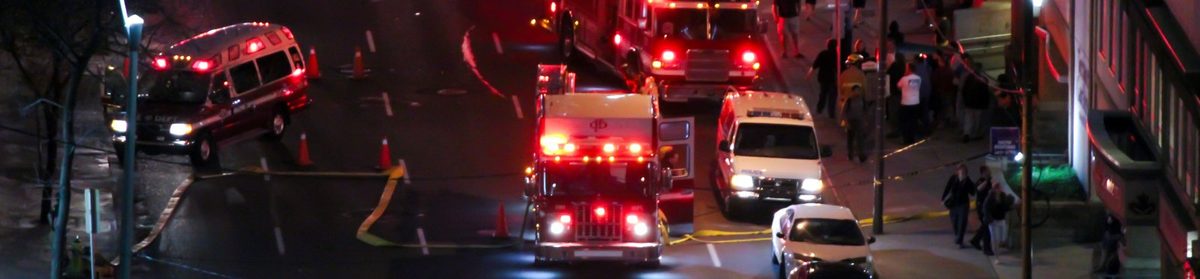
On Wednesday afternoon a car left 264 Street in Aldergrove, went through a fence and stopped against the back deck of a house. Two people in the car went to hospital, in serious but stable condition according to the ambulance service; nobody in the house was hurt. It’s rare, and it nearly always happens to someone who has never had a reason to think about what comes next. So here is the list, in the order the day actually runs.
1. The first ten minutes are about safety, not paperwork
Call 9-1-1 if anyone is hurt, if there’s smoke or fuel, or if the vehicle is still running against the building. Don’t try to pull people out of a car that’s wedged into a structure; wait for the fire department.
Then two checks that people forget while they’re staring at the car. Gas: a vehicle that reaches the side of a house can clip the gas meter or a line. If you smell rotten eggs or hear hissing, FortisBC’s instruction is to get everyone outside, leave the door open behind you, and only then phone its emergency line at 1-800-663-9911 (24 hours) or 9-1-1. Power: if a pole, a service wire or a line to the house came down, BC Hydro says stay at least 10 metres back, about the length of a bus, and dial 9-1-1. The ground around a live wire carries current.
Don’t go back in to grab things until a firefighter or inspector says the structure is safe. A deck that’s been shoved sideways can look fine and still be hanging on by two bolts.
2. Get the police file number
If police attended, ask for the file number before they leave; ICBC and your insurer will both want it. If it was a low-speed bump with no injuries and the driver is standing there apologising, you can still make a report: the Langley RCMP’s non-emergency line is 604-532-3200, and its contact page points to an online reporting tool for incidents that have already happened. The main detachment at 22180 48A Avenue is open 8 am to 8 pm weekdays and 10 am to 6 pm on weekends.
If the driver reversed out and left, that’s a hit and run, and speed matters. ICBC’s advice is to call police immediately with whatever you saw: plate, make and colour, the direction they went. If there’s a suspect, ICBC needs a police report, and says to make it within 24 hours.
3. Write down more than you think you need
Before anything is moved, with your phone:
- Photos and video of the vehicle where it stopped, from several angles, with the plate readable.
- Every piece of damage: fence, deck, siding, foundation, gas meter, plants, the lawn, anything inside that shifted or broke. Wide shots and close-ups.
- The driver’s name, driver’s licence number, plate, and their ICBC policy or certificate number if they’ll show it. Photograph the documents rather than copying them.
- Names and numbers of witnesses, which in a neighbourhood like this usually means whoever came running.
- The time, and the police file number.
ICBC may ask for photos when you report, and lets you upload photos, video and documents to a claim afterwards. Your home insurer will ask for the same set.
4. Report it to ICBC yourself, as the property owner
This is the step most people don’t know exists. You don’t wait for the driver to “sort it out”. ICBC’s report-a-claim page has a category for exactly this: Owner of property damaged by a vehicle. You can report online 24 hours a day (sign in with your BC Services Card or online banking login), or phone 604-520-8222 between 8 am and 8 pm any day.
The money comes from the driver’s Third Party Liability coverage. Every Basic Autoplan policy in BC includes $200,000 of it, and ICBC’s own description of Enhanced Care notes that while the no-fault system removed most lawsuits between drivers, TPL “continues to be important” for non-vehicle property damage. A fence and a deck are non-vehicle property.
If the driver was never identified, the same report goes in under hit and run. ICBC says all BC residents are covered up to $200,000 for damage a hit-and-run driver does to non-vehicle property, when there’s no other coverage for it, subject to a $750 deductible. The deadline is six months from the incident, and you may be asked for a statement or a sworn affidavit.
5. Call your own home insurer the same day
Even with ICBC on the hook, phone your home insurer. Insurance Bureau of Canada’s consumer guide lists “aircraft or vehicle impact” among the standard insured perils on a home policy, and your insurer can get a contractor moving and then pursue ICBC for what it paid (ICBC’s claim-document upload even has a slot for those “subrogation” papers). The trade-off is your home deductible, which you’d pay up front; ask your broker whether you’d get it back and which route is faster for your situation, since sometimes it’s ICBC direct and sometimes it’s your own policy. The Bureau’s standing advice for any claim applies here: report at once, document everything, keep every receipt, and take reasonable steps to stop further damage (a tarp over a hole in the wall, the gate propped shut).
6. The rebuild needs a permit, so don’t let the contractor skip it
A fence can usually be put back as it was. A deck, a bearing wall, a garage corner or a foundation cannot be rebuilt on a handshake. In the Township, that’s a residential building permit for an addition or alteration, applied for online through the Township’s eApply system; permit applications are taken 8:30 am to 3:30 pm on weekdays, and the building-regulations line is 604-533-6018. In the City, the building permits page has a guide and application for alterations and a separate one for sundecks. Keep the permit and inspection paperwork with the claim file.
7. If you’re the one who was driving
Report it to ICBC as the driver, give the homeowner your details, and don’t negotiate a cash fix on the lawn. If you left the scene, call police and ICBC now; the hit-and-run rules get harder, not easier, with time.
Two things you don’t have to do
You don’t have to accept the driver’s offer to “just pay for it” instead of claiming; you can, but the ICBC route exists so you aren’t chasing a stranger for a contractor’s invoice. And you don’t have to wait for ICBC’s decision on who was at fault before you report. Report, document, and let the adjusters argue.
The non-emergency, emergency and utility numbers for Langley are collected on our emergency contacts page, and the Langley RCMP page has the community police offices in Aldergrove, North Langley and the City. Something out of date? Tell us.