Can my kid start an apprenticeship in high school? Trades training in Langley schools, explained
Eight tuition-free Youth Train in Trades programs, a paid-apprentice option, what it costs, when to apply, and the car club that keeps the Aldergrove auto shop in tools.
- What
- Youth Train in Trades: eight full-time, tuition-free trades programs for Langley students in Grades 11 and 12, run with KPU, BCIT and VCC
- Also
- Youth Work in Trades: graduation credits for students already working as paid apprentices, with a $1,000 scholarship at the end
- When to apply
- Info sessions and applications run January to March for a program that starts the following February; see your school's Career Advisor
- Cost
- No tuition. Students buy textbooks, supplies and tools (about $500 in auto, up to about $1,750 for the hairstylist kit); partial bursaries exist
- Who to ask
- Your school's Career Advisor, or the district's Career Education office, 4875 222 Street
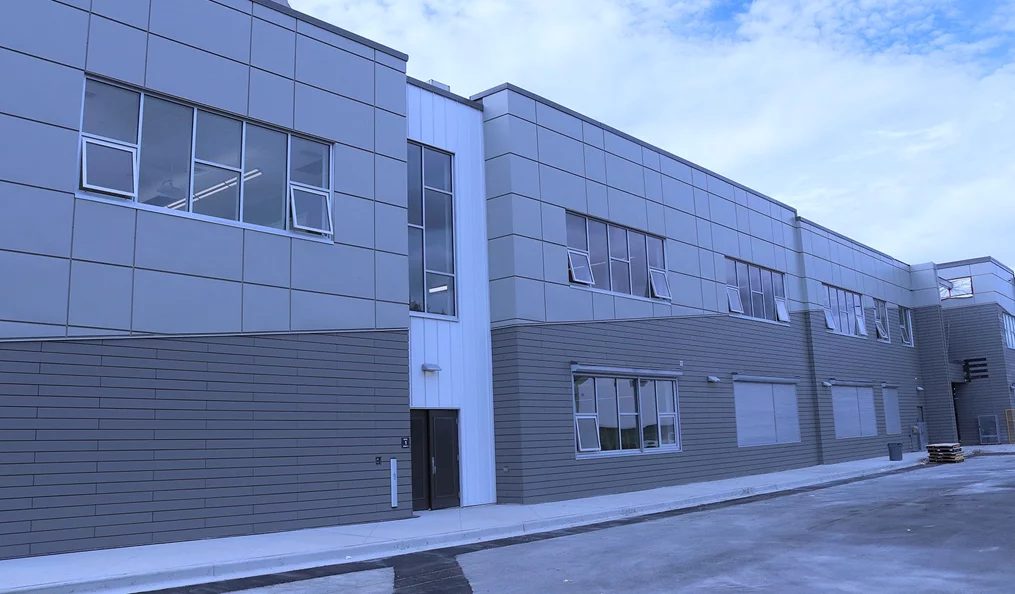
A Langley car club handed a cheque for $4,500 to the auto shop at Aldergrove Community Secondary this month. That is the seventh year the Country Car Show has sent part of its proceeds to the school’s automotive program, and it made us wonder what, exactly, the money supports. The answer is a bigger system than most parents know about. Here it is, as questions.
Can a Grade 11 student really start a trade before graduating?
Yes. The Langley School District runs a set of programs under the provincial Youth Train in Trades banner. A student in Grade 11 or 12 spends one or two semesters full-time in a trades program instead of regular classes, finishes the first level of technical training that SkilledTradesBC recognises, and comes out with both high-school credits and post-secondary credits for the same work. The district’s own page puts the high-school side at 16 to 40 elective credits, which is four to ten courses.
The point is the head start. An apprenticeship in BC is a four-year commitment of mostly paid work plus a few weeks of school each year, and these programs let a student knock off the first classroom block while still living at home and still graduating with their class. The district’s career education lead told the Aldergrove Star in 2022 that most families don’t realise an apprenticeship takes as long as a degree; the difference is that about ten months of each year are spent on the job, earning.
Which trades, and where?
Eight, as of this fall. Three are taught inside Aldergrove Community Secondary, two in other Langley high schools, and three at college campuses.
- Automotive Service Technician, at Aldergrove Community Secondary, with Kwantlen Polytechnic University. Level 1 technical training. The 2026 program guide shows it running February to April and June at the school, an optional work placement in May, and a finishing block at KPU Cloverdale in July.
- Carpentry, at Aldergrove Community Secondary, with KPU. Foundation training including Level 1. Second-semester stream only, the school notes.
- Hairstylist, at Aldergrove Community Secondary, in a working training salon. Foundation training including Level 1.
- Electrical, at D.W. Poppy Secondary, with BCIT. The heaviest prerequisites of the eight: Grade 11 done, English 12, Physics 11 and Math 11 and 12 (Foundations or Pre-Calculus), and the district says students should be comfortable in a class with adult classmates.
- Piping/Plumbing, at Langley Secondary, with BCIT. Foundation training including Level 1.
- Professional Cook 1, at Walnut Grove Secondary, with Vancouver Community College. Students are part of the crew running a restaurant that serves the local community.
- Landscape Horticulture, at KPU’s Langley campus. Level 1.
- Welding, at KPU’s Cloverdale campus. Levels 1 and 2.
Transportation is the family’s problem. The hairstylist FAQ says so plainly for students coming across the Township to Aldergrove, and adds the argument the district makes for all of these: the same hairstylist training after graduation runs $7,000 to $30,000, and here the tuition is paid.
What does it cost?
Tuition is covered by the district for eligible SD35 students; the auto program guide values it at about $900. What students pay is the kit. In auto that is roughly $500 for textbooks and supplies, which they keep, plus tools: either their own, or about $800 for the district’s tool set. The hairstylist program says its toolkit, equipment, supplies and books come to around $1,750, and the tools belong to the student afterwards, the way a cook owns their knives. Footwear and safety gear are extra. The district says partial bursaries and payment plans may be available and encourages students to apply regardless of money.
Who can apply, and when?
Every program has the same gate: registered and attending a Langley district school, 18 or younger on June 30 of the year you apply, not yet graduated, and intending to graduate. Each trade then adds prerequisites, typically Grade 10 complete with English 11 and a Math 11 by the time the program starts (auto also wants Auto 11 or equivalent; electrical wants the Grade 12 courses above).
The calendar matters more than people expect, because you apply a full year ahead:
- January to March of the application year: info sessions, then the application, through your school’s Career Advisor.
- May: interviews for short-listed students.
- June: conditional acceptance.
- Summer and fall: pick up any missing prerequisites; final acceptance in November.
- February of the following year: the program begins. Most run one or two semesters.
So a student who wants to start in February 2028 should be talking to a Career Advisor this winter, before the January-to-March window opens.
Two things the FAQ is blunt about. These programs follow the college partner’s calendar, so spring break and pro-d days are often not days off, and attendance is treated like a job. And they are full-time post-secondary courses with real homework, so a part-time job needs to shrink while the program runs.
Does it close the university door?
No, and the district says so directly: Youth Train students go on to university, college and apprenticeships, and students who worry about marks should talk to their counsellor before applying rather than ruling themselves out. The FAQ also says most students find their marks go up once they are in a program they care about. Students at the “linear” schools (Brookswood, R.E. Mountain and Walnut Grove) have one wrinkle: the Aldergrove programs run on a semester timetable, so joining one may mean transferring to a semester school for the program year. The hairstylist page spells out that route.
What if they’re already working in a trade?
That is the other program, Youth Work in Trades. A student aged 15 to 19 who is working (or has worked) as a paid apprentice in a SkilledTradesBC-regulated trade can earn up to four graduation courses for the hours they log on the job. The trades the district lists as most popular for youth in BC start with cook, carpenter, electrician, automotive technician and plumber.
Finish the four courses, graduate, hold a C+ average in Grade 12 and have 900 work-based hours logged with SkilledTradesBC, and there is a $1,000 scholarship. The deadlines run by birthdate: a student born between July 1, 2007 and June 30, 2008 needs the four courses done by June 30, 2027 and the 900 hours logged by August 31, 2027; the next birth year has until 2028. The district encourages doing Youth Train and Youth Work together. Registration, again, goes through the Career Advisor.
How long has Langley done this?
Longer than most districts. The Aldergrove Star reported in 2022 that Langley’s first Youth Train program was horticulture, in 2000, run with KPU, and that piping and plumbing at Langley Secondary around 2005-06 was the first stand-alone program, followed by auto, carpentry and hairstylist at Aldergrove, then electrical and professional cook. In the 2021-22 intake the district took 72 of 127 applicants for about 100 seats, and said its goal was more applicants than spaces in every program.
The equipment has had help from the Province. A 2017 provincial program for youth trades gear sent $506,483 to the Langley district over three years, for things like a car hoist, planetary mixers and ovens.
Where the car club comes in
Public money buys the hoist; the hobbyists buy the hand tools. The Langley Advance Times reported on October 25 that the Central Fraser Valley Chapter of the Vintage Car Club of Canada gave $4,500 from this year’s Country Car Show to the Aldergrove auto program, money that goes into ratchets, jacks, socket sets and meters for students to learn on. The club has done this for seven of its twelve shows. If you want to help, the simplest way is to show up on the last Sunday in April: spectators are free, and every registered show car puts a few dollars into the shop. The 2027 show is set for April 25.
The Langley Good Times Cruise-In said in 2022 that it was working with the Langley School District Foundation on a trades scholarship, with a plumbers’ and pipefitters’ union local alongside; we haven’t found a published record of that award since, so ask the Foundation if it matters to you.
What to do next
If your student is in Grade 10 or 11 and likes working with their hands, the single useful step is an email to their school’s Career Advisor asking for the Youth Train info-session dates and the application form. The district’s Career Education office at 4875 222 Street handles both programs and has a contact form. For the wider picture of how the district works, our one-page guide to Langley schools covers catchments, choice programs and who decides what.