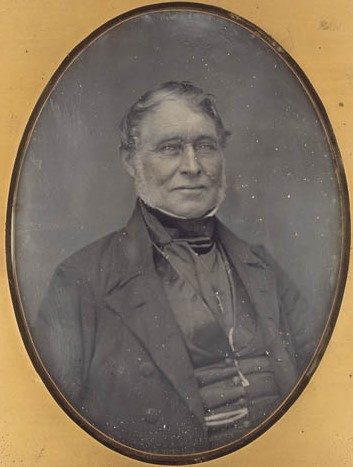
- Born
- February 3, 1790, Glencoe, Scotland
- Died
- January 15, 1853, St Andrews (Saint-André-Est), Lower Canada
- At Fort Langley
- In charge from 1828 to 1833
- Known for
- Salting salmon, farming and cutting lumber at the fort; long journals of fur-trade life
- Last checked
- October 23, 2026
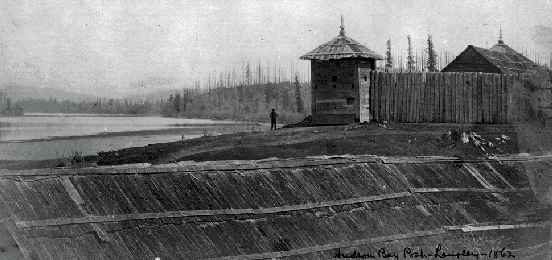
When Archibald McDonald took over Fort Langley in 1828, it was a year-old stockade at Derby whose whole reason for existing was beaver. When he left five years later, it was packing fish, growing food and sawing boards. That shift, more than the furs, is why the post survived.
Arriving with the governor
McDonald came west in 1828 with George Simpson, the Hudson’s Bay Company’s governor, on the journey that took them down the Fraser to the coast. The Dictionary of Canadian Biography says he was promoted to chief trader that year and took over Fort Langley from its founder, James McMillan.
What he changed
His job was to win the coast’s fur trade away from American ships. But furs alone weren’t enough, so, the biography says, he branched out: a small farm, drying and packing salmon, and cutting lumber, all shipped south to Fort Vancouver, the company’s headquarters on the Columbia.
The salmon idea worked because of the people who were already fishing the river. Parks Canada credits Kwantlen chief Whattlekainum with pushing the company’s traders to take salmon and cranberries in trade. The fort needed barrels to ship the fish, and Parks Canada names its coopers, William Cromarty and the Hawaiian worker Peopeo, as key to the operation. Visit the fort today and the cooperage and the saw pit (where Hawaiian workers sawed planks) are two of the stops.
By 1850, under McDonald’s successor James Murray Yale, the fort was packing about 2,000 barrels of salmon a year and selling them as far away as Hawaii.
Two families
McDonald’s first wife was Raven, also called Sunday, a daughter of the Chinook chief Comcomly; they married at Fort George (Astoria) in 1823 “according to the custom of the country,” and she died the next year. Their son, Ranald MacDonald, has his own entry in the Dictionary of Canadian Biography.
In 1825 he married Jane Klyne, who was of mixed Indigenous and European descent, again by the custom of the country, confirmed by a church ceremony at Red River in 1835. They had twelve sons and a daughter. Family life at a fur-trade post, including Indigenous wives and their children, is one of the things his journals document best, which is why historians still read them.
After Langley
He left in 1833, founded Fort Nisqually on Puget Sound, then ran Fort Colvile on the upper Columbia from 1835, where he expanded farming again. He became chief factor in 1841. Heading east with his family in 1844, he lost three young sons to scarlet fever at Fort Edmonton in 1845. The family settled on a farm near St Andrews, on the Ottawa River, in 1848, and he died there in 1853.
See it
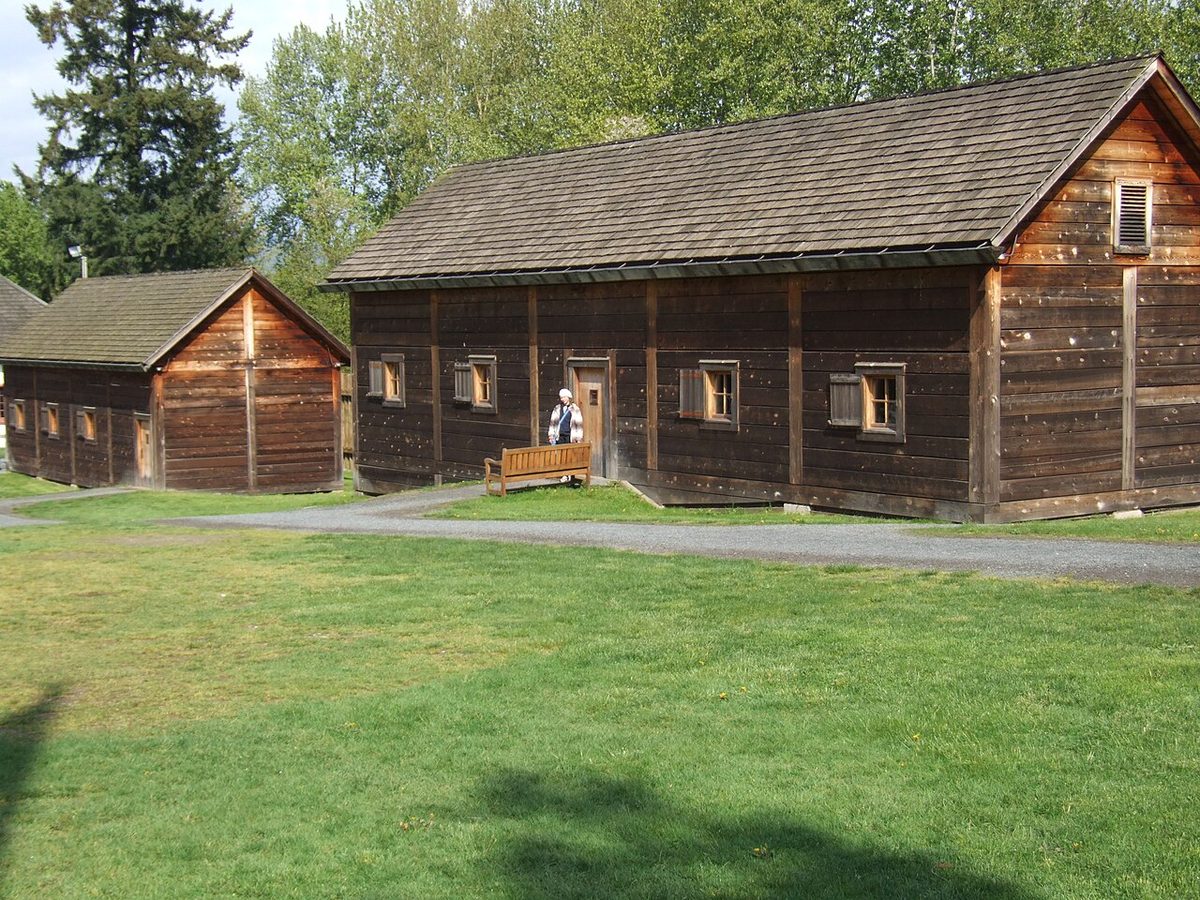
The Fort Langley National Historic Site is the later fort, upstream of McDonald’s, but its cooperage, saw pit and farm garden tell the story of the industries he started.
Related pages
Something out of date? Tell us.
Last checked October 22, 2026. Spotted something out of date? Tell us.