- Whose land
- Kwantlen, Katzie, Matsqui, Semiahmoo, Stó:lō and Tsleil-Waututh territories overlap here, the Township's heritage study says
- Fort built
- 1827 at Derby; moved upstream in 1839
- Colony proclaimed
- November 19, 1858, at Fort Langley
- Township incorporated
- April 26, 1873
- City incorporated
- March 15, 1955
- Best place to start
- Fort Langley National Historic Site
- Last checked
- October 23, 2026
Langley’s history is usually told through dates. This page tells it through people: the ones whose decisions shaped the place, and whose names you keep running into on bridges, islands, streets and plaques without quite knowing who they were.
A few ground rules. We stick to people we can source properly, so there are gaps, and they’re mostly the people who didn’t keep written records. Indigenous history before 1827 is long, and it isn’t ours to tell in detail; where we name Kwantlen leaders, it’s from Parks Canada and the Township’s own heritage work, and Kwantlen First Nation’s account comes first wherever it differs. And with colonial figures, we state what they did, including the parts that are now seen differently.
The timeline, with names attached
- Thousands of years Coast Salish peoples live, fish and trade along the lower Fraser. The Township's heritage strategy puts the First Nations presence here at 4,000 to 9,000 years. The Kwantlen's main village is at sχəyəməɬ, in today's New Westminster.
- 1808 Simon Fraser of the North West Company comes down the river. The Township's study says he recorded a large village of cedar-plank longhouses on the bank near Langley, the first written account of the people here.
- 1824 James McMillan leads 41 men up the Nicomekl, over the portage and down the Salmon River to the Fraser. Two Kwantlen boys meet them on the Salmon.
- 1827 McMillan returns on the Cadboro, with six Hawaiian crew, and builds Fort Langley at Derby. Kwantlen chief Whattlekainum trades with him and makes his nation the fort's main partner.
- 1828 to 1833 Archibald McDonald runs the post and starts packing salmon, farming and sawing lumber.
- 1833 to 1859 James Murray Yale is in charge. He moves the fort in 1839, rebuilds it after the April 1840 fire, and turns Langley Prairie into the biggest farm on the mainland. The Kwantlen move to McMillan Island beside the new fort.
- 1840s Ovid Allard helps rebuild, then builds Fort Yale. More than 60 percent of the fort's staff are French Canadian or Métis, many married to Kwantlen and other Indigenous women.
- November 19, 1858 James Douglas and Judge Matthew Baillie Begbie swear each other in at the Big House, and the Colony of British Columbia is proclaimed.
- 1859 to 1860 Pre-emption opens land to settlers. Kenneth Morrison is the first to pre-empt land in Langley, just upriver from the fort.
- April 26, 1873 The Township of Langley is incorporated. James W. Mackie is its first warden.
- 1874 to 1875 Paul Murray and his sons arrive and take up the four corners that become Murrayville.
- 1878 to 1888 Joseph and Georgiana Michaud come from Quebec and build what's now Langley City's oldest house.
- 1880s to 1930 Jacob Haldi farms and butchers in Fort Langley; his estate pays for the first bridge to McMillan Island.
- 1920 to 1946 Japanese Canadian families farm in Fern Ridge, Coghlan, Otter and West Langley, until 1942 brings forced removal and the sale of their land.
- 1955 Langley Prairie votes to leave the Township and becomes the City of Langley, with Hunter Vogel as first mayor.
- June 1994 The name Kwantlen First Nation is reclaimed in a traditional ceremony, replacing the "Langley Indian Band" label used since the Indian Act era.
The people, one line each
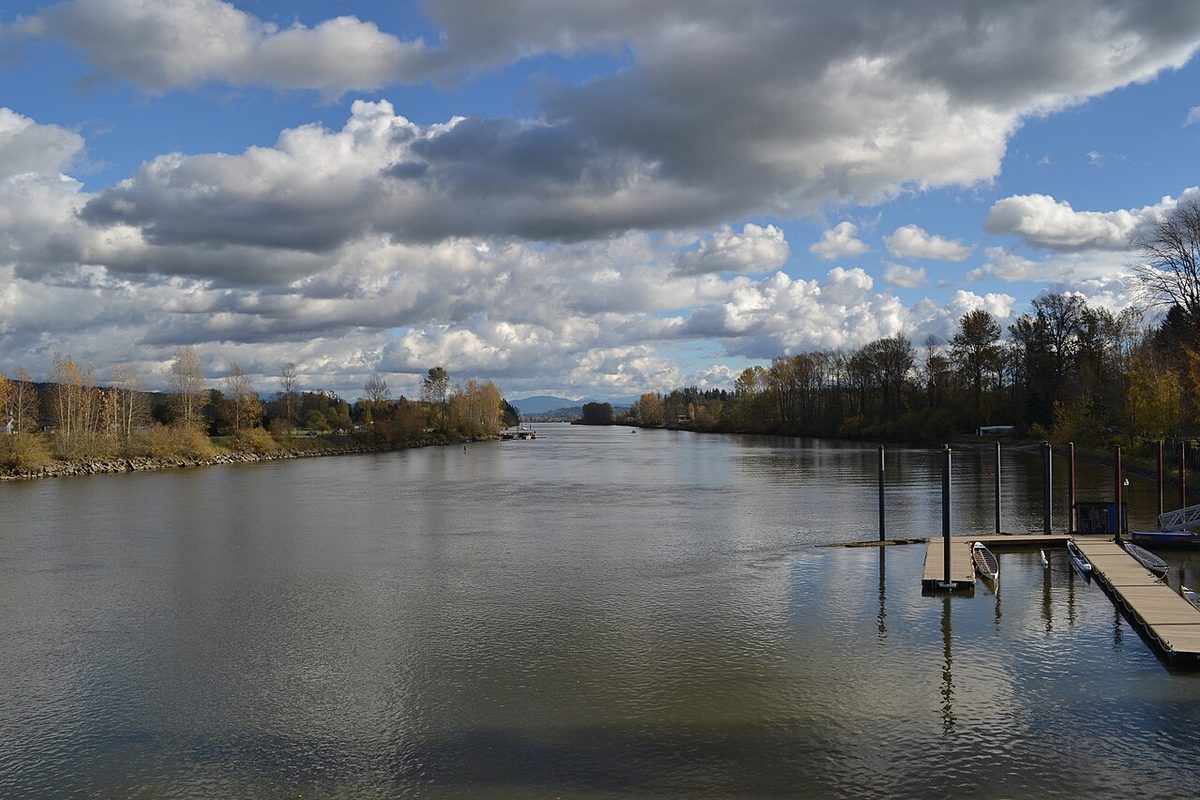 Kwantlen chief, 1820s to 1830sWhattlekainum
Made Fort Langley a Kwantlen trading place and got the company buying salmon and cranberries.
His story →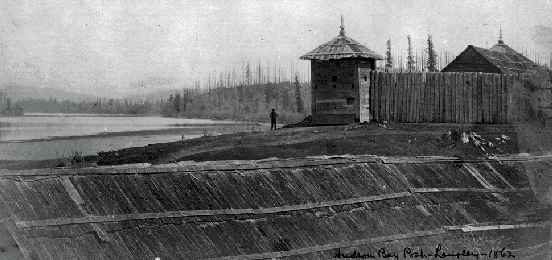 Founded the fort, 1827James McMillan
Scouted the river in 1824 and came back to build the first Fort Langley at Derby.
Timeline →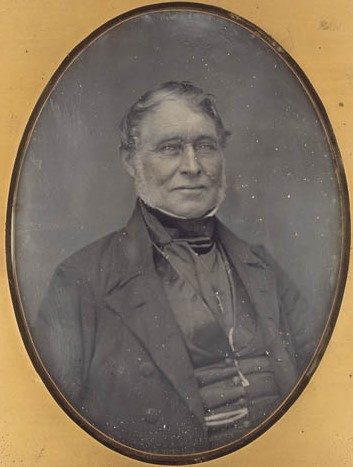 In charge 1828 to 1833Archibald McDonald
Turned a fur post toward salmon, farming and lumber, and wrote it all down.
Read more →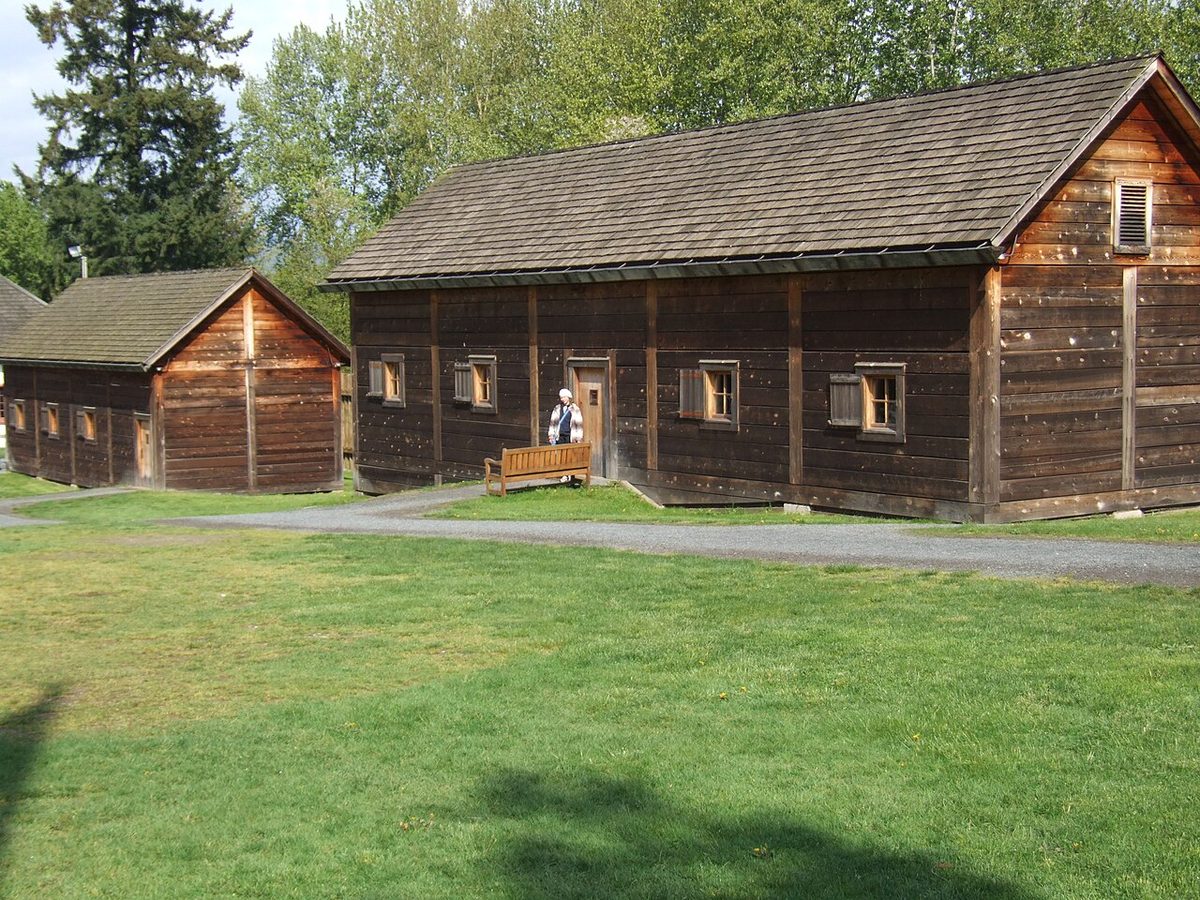 In charge 1833 to 1859James Murray Yale
Moved the fort, rebuilt it after the fire, and built the biggest farm on the mainland.
Read more →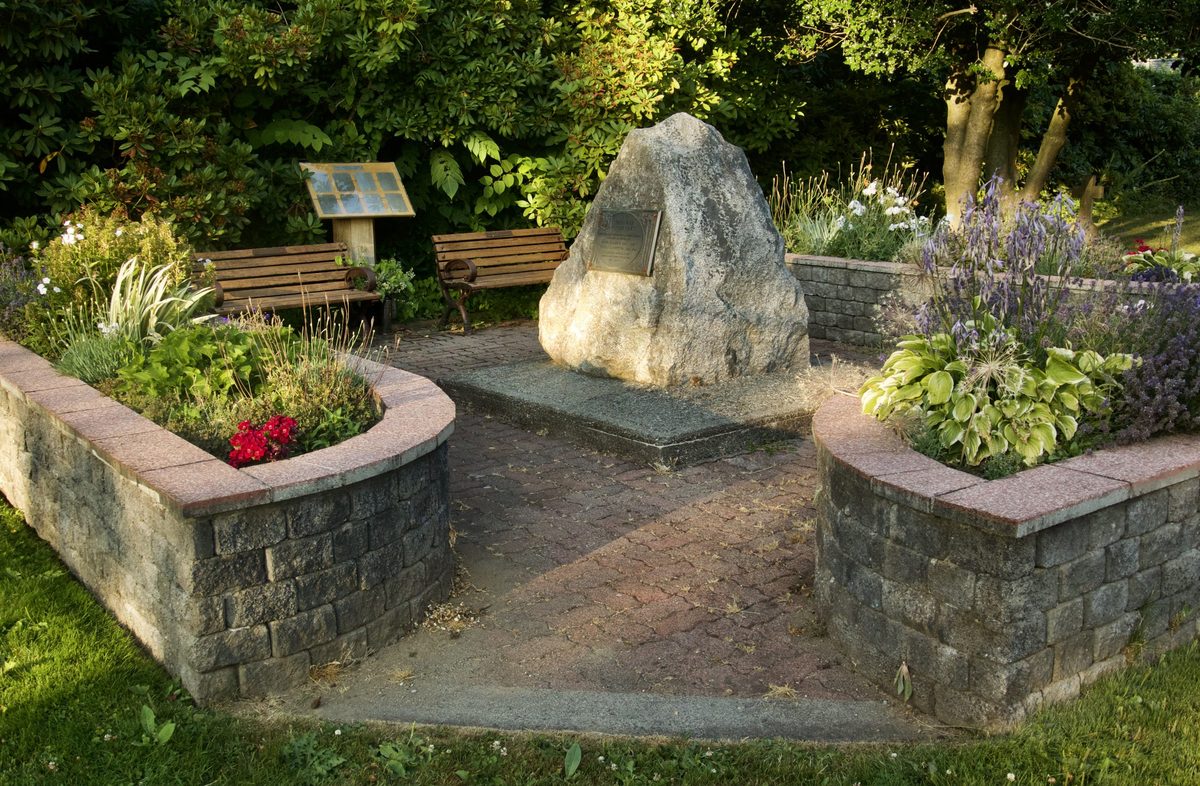 HBC, 1834 to 1874Ovid Allard
Rebuilt the fort, built Fort Yale, then came back to run the farm and the post office.
Read more →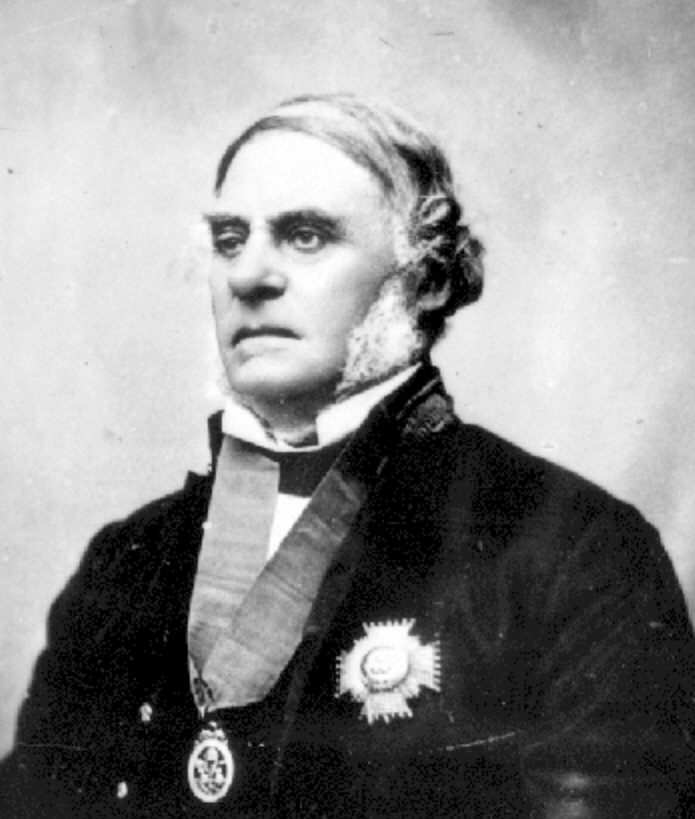 November 19, 1858James Douglas
Sworn in as governor at the fort, and why his statue there is talked about differently now.
The day BC began →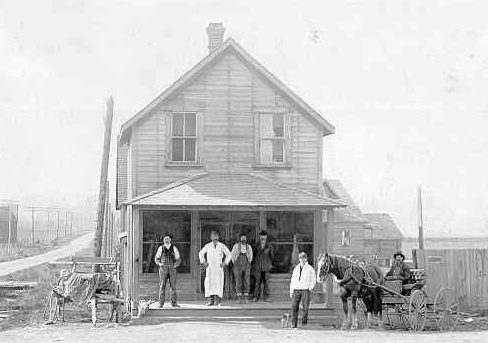 Arrived 1874Paul Murray
An Irish-born farmer who lived in a giant fir and gave his name to Murrayville.
Read more →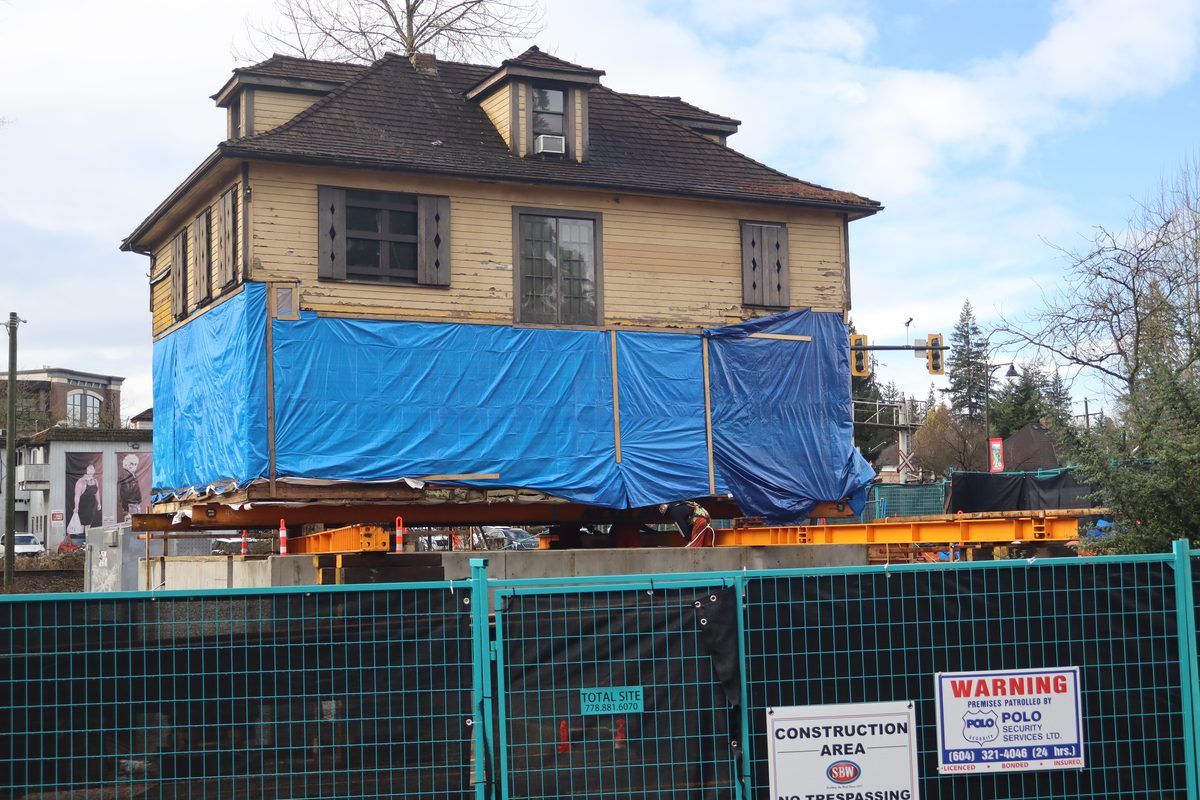 Died 1930Jacob Haldi
The Fort Langley butcher whose will paid for the bridge to McMillan Island.
Read more →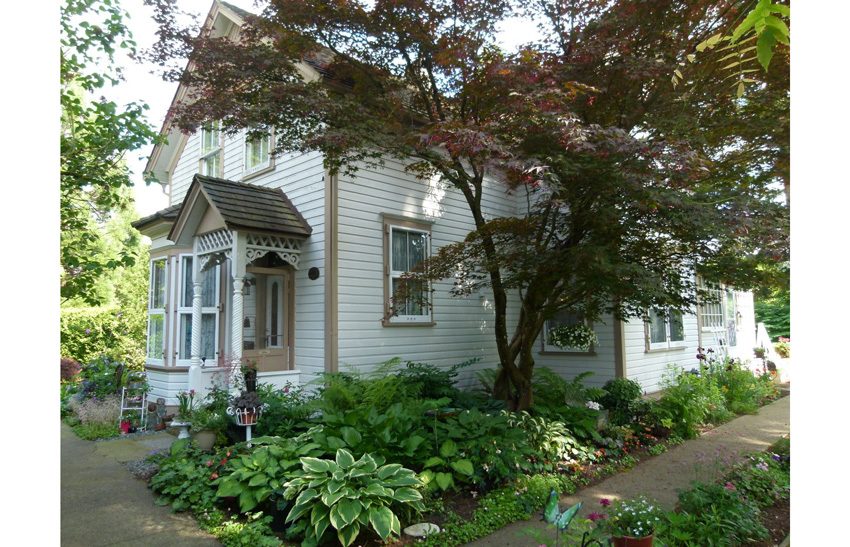 Built 1888Joseph and Georgiana Michaud
Langley's first French Canadian family, and the City's oldest house.
Read more →
Others worth knowing
We don’t have enough sourced material yet for a full page on each of these, but they belong in the story.
- Simon Fraser passed Langley in 1808 and left the first written description of the people here. A local history by Surrey historian Jack Brown says Whattlekainum held young Kwantlen men back from attacking Fraser’s party; we haven’t seen that in a primary source.
- Matthew Baillie Begbie, the colony’s first judge, was sworn in at Fort Langley on November 19, 1858, with Douglas; the Dictionary of Canadian Biography says the two men swore each other in.
- Peopeo and Como, Hawaiian workers at the fort. Parks Canada names Peopeo, with William Cromarty, as the coopers whose barrels made the salmon trade possible, and the saw pit at the fort remembers Como and Peopeo. The Heritage Society’s walking tour says a wrought-iron cross that once stood in the pioneer cemetery beside St. George’s Anglican Church memorialises Peopeo.
- Helène Fallardeau and Julia Robertson, Kwantlen women who married fort workers. Parks Canada’s site guide tells their families’ stories in the Kitchen Shelter and Servants’ Quarters.
- Kenneth Morrison, a retired company man and the first person to pre-empt land in Langley, about 65 hectares just upriver from the fort, the Township’s study says.
- James Houston, born in Dunfermline, Scotland, in 1823 and died at Fort Langley in 1902; the Township’s study calls him typical of the pioneer settlers. His homestead is in the Heritage Area at Derby Reach Regional Park, and the Houston Trail is named after him.
- James W. Mackie, first warden when the Township was incorporated on April 26, 1873. The Heritage Society’s walking tour says he donated the site of St. Andrew’s Church in Fort Langley, built in 1885 and the village’s oldest surviving church.
- Alexander Joseph Annand, who the Township’s heritage study says homesteaded in the Campbell River valley in 1886; his farm is now the Annand/Rowlatt Farmstead in Campbell Valley Regional Park.
- Robert James Wark, reeve from 1914 to 1918 according to the City’s heritage list, whose Glover Road farmhouse is on our heritage sites page.
- Kisaburo and Tsume Chiba, Japanese Canadian farmers near Otter Road who gave land for South Otter School in 1922 and lost their 39 acres in 1943. Their story, from the federal government’s own file, is in The 39 acres at Otter Road.
- Hunter Vogel, the City of Langley’s first mayor in 1955. Wikipedia credits Board of Trade president Richard Langdon among the leaders of the push to separate, and says Township reeve George Brooks had refused to pay for streetlights in Langley Prairie, which helped drive the 1954 vote. See past mayors.
How these stories are told is changing
Older Langley history put the fur traders and the governor at the centre and the Kwantlen at the edges. That’s shifting. Parks Canada has dropped the “Father of BC” label for Douglas and says it works with Kwantlen First Nation on programming about Indigenous history at the fort. In a CBC story on Douglas’s legacy, Kwantlen artist and former Kwantlen historical researcher Brandon Gabriel called him a “beachhead” for colonization and argued that the colonial version of events has had the floor too long. The Township’s heritage study, written with Katzie and Kwantlen participation, says Kwantlen continue to tell their own stories.
We’ve tried to write these pages in that spirit: what the record shows, whose record it is, and room for the people it left out.
Where to see it
- Fort Langley National Historic Site: the Big House, the 1840s storehouse, the Kwantlen panel
- Langley heritage sites and the Langley Heritage Society, which runs talks and walking tours
- Hudson’s Bay Company Pioneer Cemetery, Fort Langley Cemetery and Murrayville Cemetery
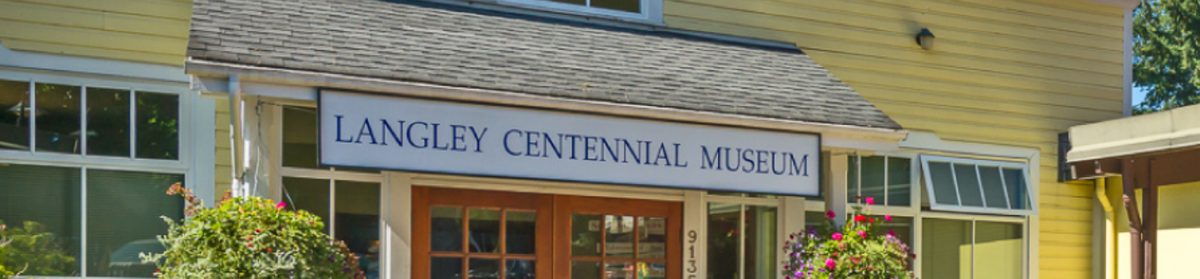
- Langley Centennial Museum at salishan Place
- Past mayors of Langley, for the 20th century
- The history of Langley, the long version
Know a Langley figure we’ve missed, with a source? Tell us.
Last checked October 22, 2026. Spotted something out of date? Tell us.