- Born
- About 1845 or 1846, Bern, Switzerland
- Died
- March 27, 1930, Fort Langley
- Known for
- Fort Langley butcher and landowner; his estate paid for the first bridge to McMillan Island
- Wife
- Jessie Beller Haldi (1854 to 1927)
- Their house
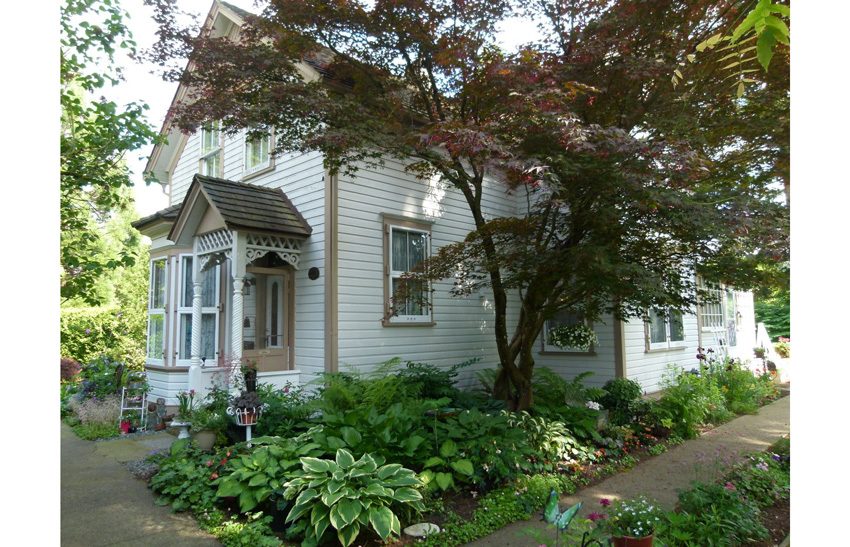
- Haldi House, Glover Road, built 1908, later the Bedford House restaurant
- Last checked
- October 23, 2026
Drive to the north end of Glover Road in Fort Langley and you cross the Jacob Haldi Bridge onto McMillan Island. Plenty of people use it every day without knowing who Jacob Haldi was. Short version: the village butcher, who left money in his will to get the bridge built.
The butcher from Bern
The Langley Heritage Society’s research, by Bonnie Hartup and Mark Forsythe, says Haldi was born in Bern, Switzerland, around 1845 or 1846. Before 1870 he was tending bar in Cook County, Illinois, where he met Jessie Beller, daughter of a hotel owner. He came to BC to seek his fortune and was farming at Fort Langley by 1882. In 1883 he went back to Illinois to marry Jessie and brought her west.
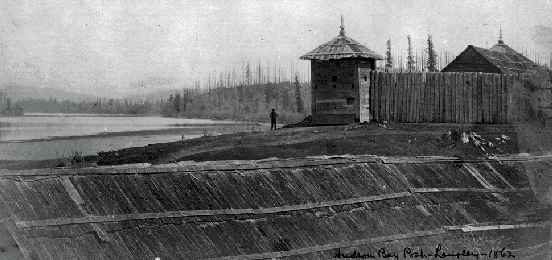
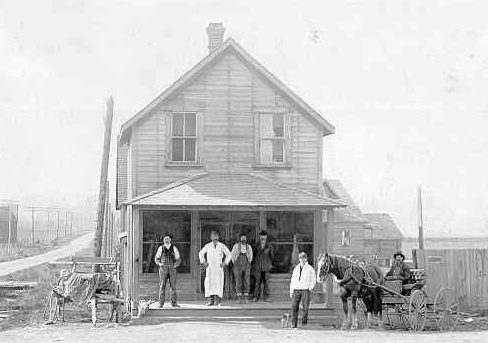
He ran the village meat business. Society lore has him keeping animals on Brae Island and bringing them across to Fort Langley for slaughter, and using the old Hudson’s Bay Company store on Glover Road as his butcher shop. The 2021 walking tour says the Haldis had extensive land in the area and owned much of Brae Island.
The house
In 1908, the walking tour says, a $500,000 inheritance that came to Jessie made it possible to hire carpenter William Harvey Brown to build a house right beside the butcher shop, overlooking Bedford Channel. The shop is gone. The house stayed. The Schultz family lived in it and restored it from 1967 to 1975, and it later became the Bedford House restaurant until about 2014. The walking tour places it just east of the CN station.
Jessie died in Fort Langley on November 28, 1927, and is buried in the Fort Langley Cemetery. Jacob died on March 27, 1930.
The bridge
His estate left $15,000 to build a bridge, with a condition: the government had to set up a ferry from Brae and McMillan Islands to Albion, on the far side of the Fraser. The walking tour says the estate’s money paid for the first bridge to McMillan Island, built in 1931 and 1932. Today’s crossing still carries his name.
The ferry part of that story came later. The Albion ferry, which ran from McMillan Island to Albion from 1957 until the Golden Ears Bridge opened in 2009, has its own page, The Albion Ferry, and a spot in our history of Langley; we haven’t found a source that ties its start directly to his will.
Haldi House now
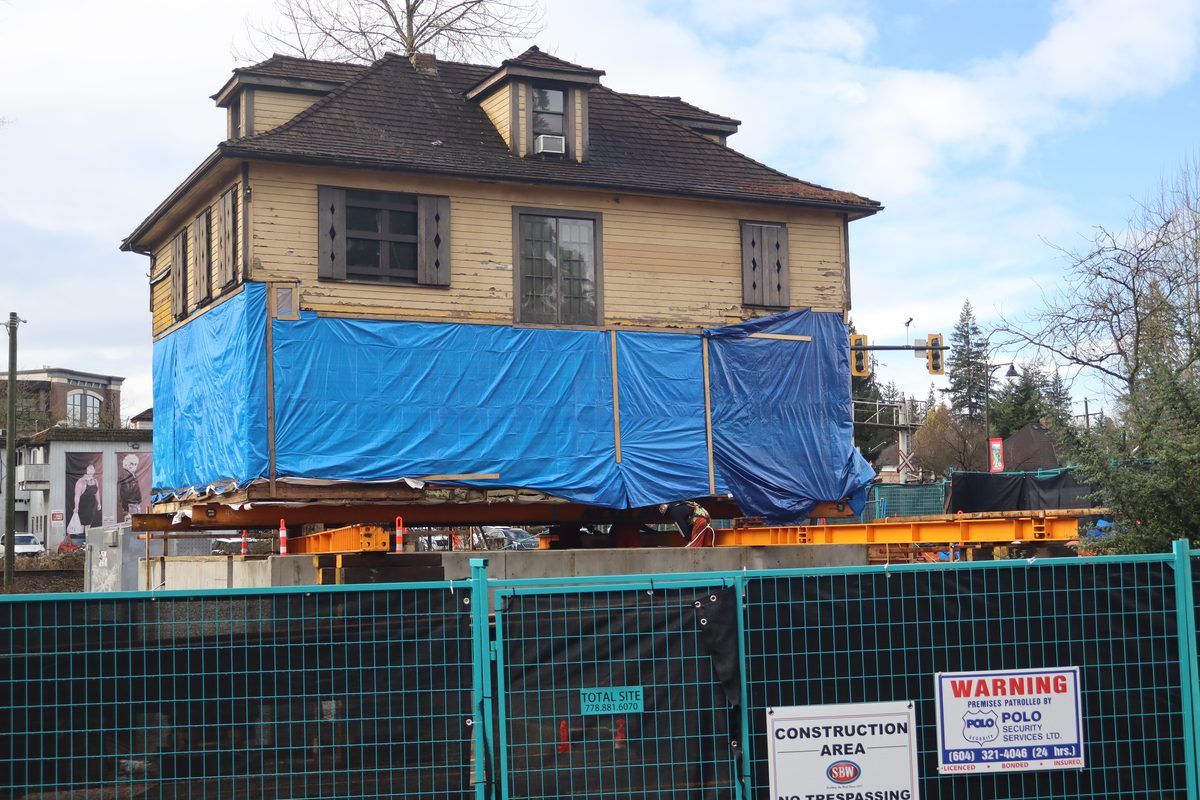
The house is being saved. In 2025 the Township of Langley began lifting and shifting it a short way south toward the tracks, and by March 2026 it was being set down on a new, higher foundation, as the photo above shows. The Heritage Society reports that the Township plans to restore it to its original look and open it to the public as a community building. We’ll update this page when there’s an opening date.
Related pages
- People who shaped Langley
- Fort Langley village guide
- Langley heritage sites
- Langley Heritage Society
Something out of date? Tell us.
Last checked October 22, 2026. Spotted something out of date? Tell us.