- Born
- 1811, Ireland
- Died
- 1903
- Came to Langley
- May 1874, from Zorra, Oxford County, Ontario
- Known for
- Founding the settlement at Murray's Corners, now Murrayville
- Renamed
- Murray's Corners post office became Murrayville on May 16, 1911
- Last checked
- October 23, 2026
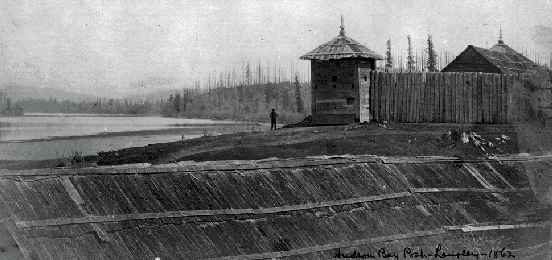
Stand at Five Corners in Murrayville, where 216 Street, 48 Avenue and Old Yale Road meet, and you’re standing on Murray land. In 1875, the Langley Heritage Society says, Paul Murray and three of his sons each got a 160-acre Crown grant, and between them the four quarter sections covered the four corners of what’s now 48 Avenue and 216 Street. Hence Murray’s Corners. Hence Murrayville.
Who he was
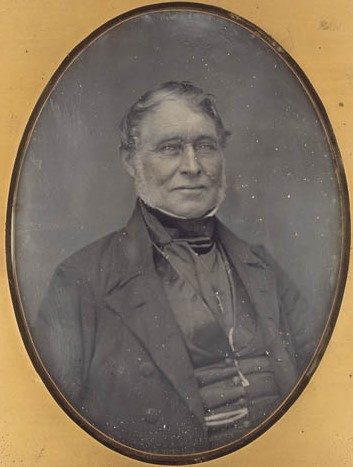
The Township’s heritage study fills in the rest. Murray was born in Ireland in 1811 and came to Canada with his family at 18. They settled in Oxford County, Ontario, where, about ten years later, he married Lucy Bruce. They bought land in Zorra and raised seven children.
He was in his sixties when he started over. In May 1874, with his children grown, he came to British Columbia with three of his sons. The Heritage Society names them as John, Billy and Alex. He chose the spot, the study says, because the Yale Road through here was about to be improved; it had been, in the study’s words, “little more than a quagmire” since 1865, and a contract to fix it was let in 1875.
The family’s first home was a rough shelter they built out of a huge fir tree. When Lucy and two of their daughters came out, they all lived in it together.
From a hotel to a village
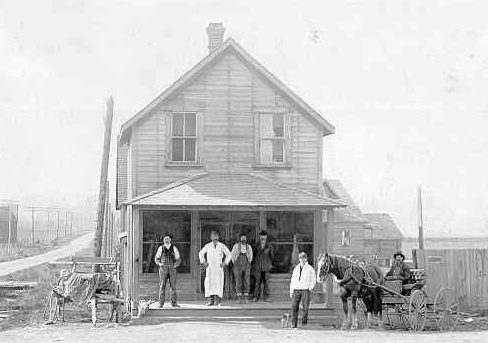
Billy Murray built a hotel on the corner for travellers heading inland along the Yale Road. The study calls it the first permanent building in the settlement; the Heritage Society identifies it as the Travellers Hotel. Paul’s sons went on to build more hotels and businesses along Old Yale Road. Paul himself was an ordained church elder at a time when there were no churches, so services were held in a small schoolhouse at Glover Road and Old Yale Road.
There’s a sad footnote in the Wikipedia history of the Township: it says Alexander Murray drowned in the Fraser in January 1884 trying to save a friend, and credits him as the Murray the corner was named for. Other sources give the name to the family as a whole.
Paul Murray died in 1903, remembered, the study says, as the founder of Murrayville. The post office took the name Murrayville on May 16, 1911.
Murrayville today
The Langley Advance Times put Murrayville at about 11,000 people across 5.5 square kilometres in 2017, with the original settlement still at its core. A few things to look for:
- Five Corners and the heritage buildings around it, including the 1928 Murrayville Community Hall.
- Old Yale Road’s concrete. The three-kilometre stretch between Langley Prairie and Murrayville was paved with concrete in 1922, the Township’s study says, and the Advance Times calls it BC’s oldest concrete road; a short stretch through Murrayville keeps the original panels.
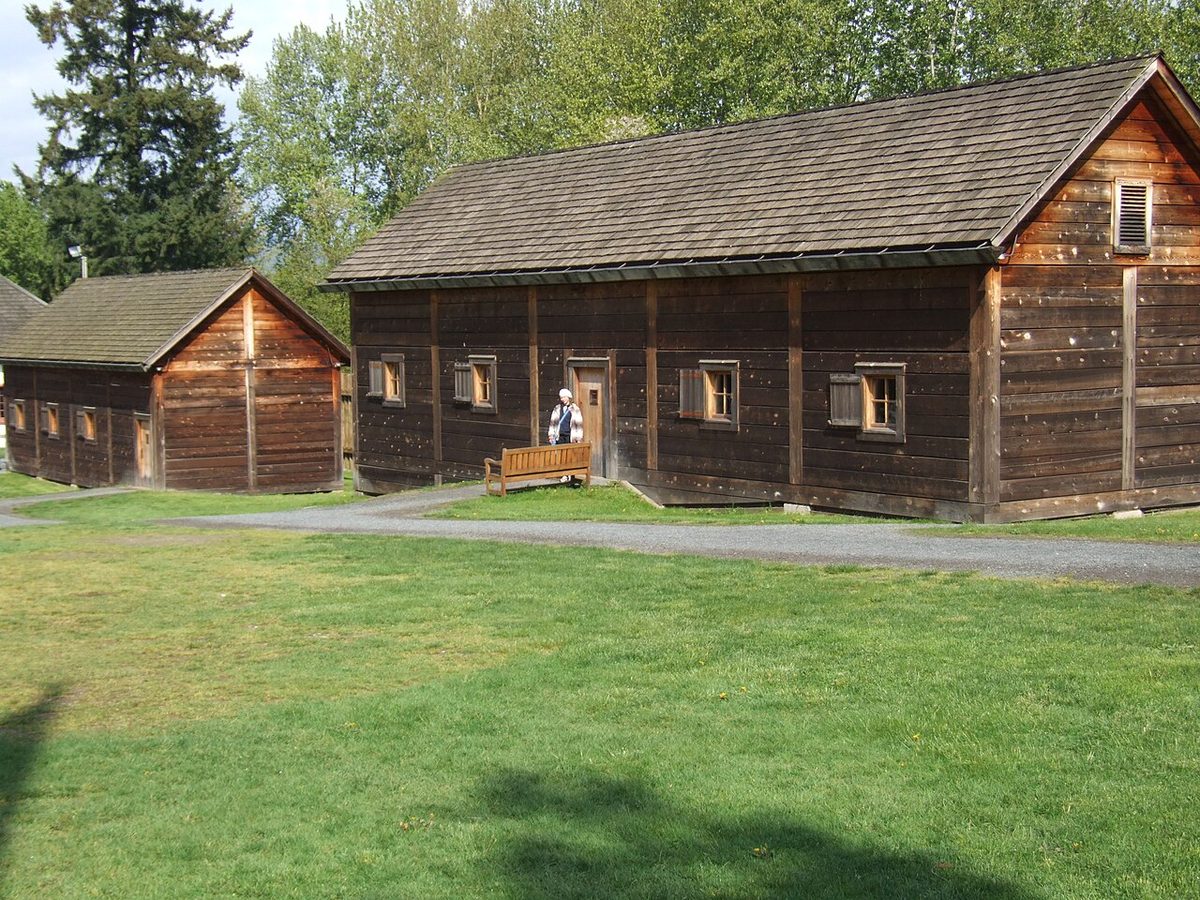
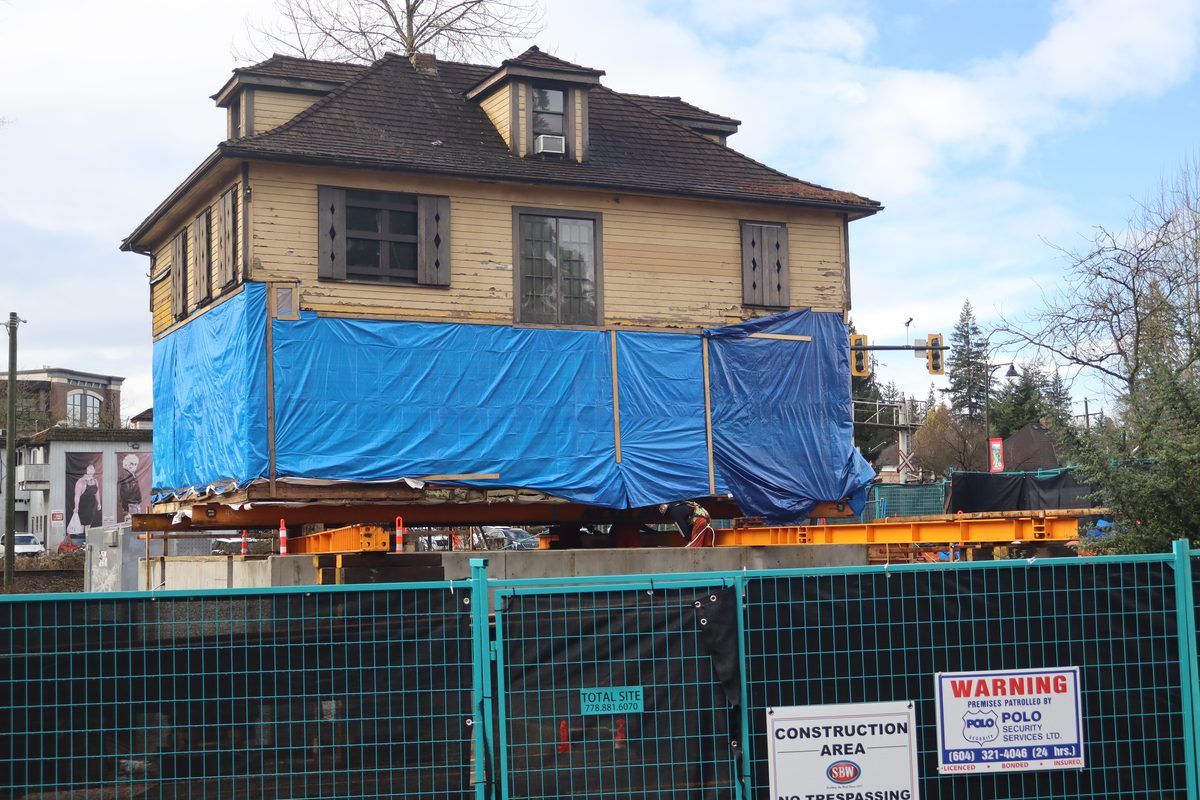
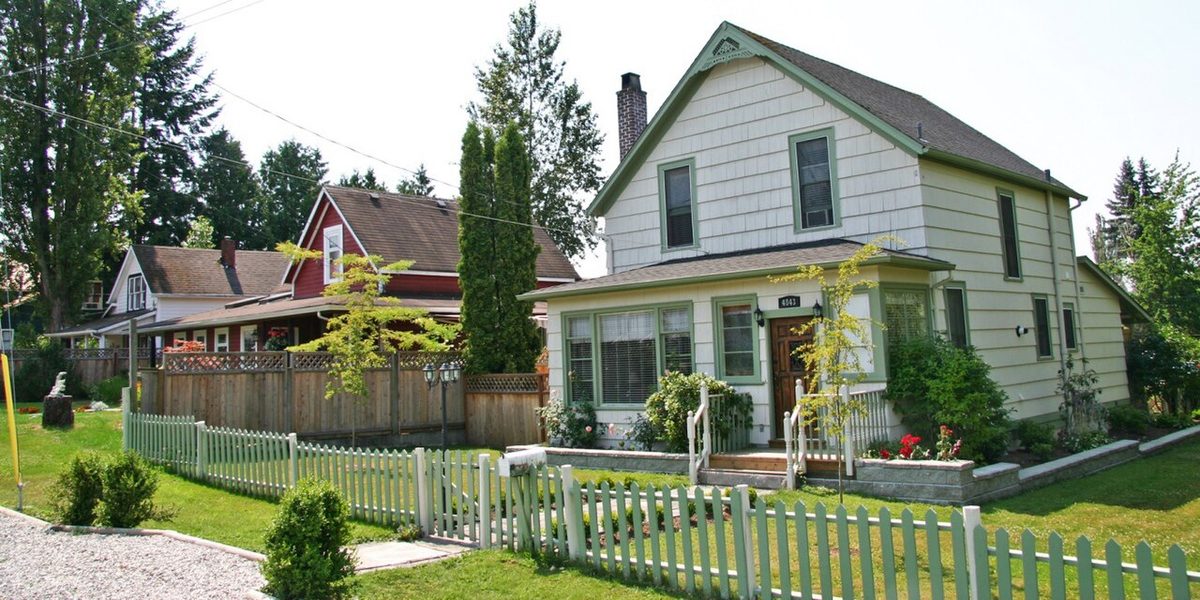
- The heritage street on 216A Street between 48 and 48A Avenue, shown below.
- The Heritage Society’s walking tour lists the Travellers Hotel, Porter’s Store, Sharon Chapel, the pump house, the Harrower and Hagerty houses and more. Most are private, so look from the sidewalk.
Our Murrayville guide covers the neighbourhood today, and Murrayville Cemetery is where many of the early families are buried.
Related pages
Something out of date? Tell us.
Last checked October 22, 2026. Spotted something out of date? Tell us.