- Nation
- Kwantlen (q̓ʷɑ:n̓ƛ̓ən̓)
- Known for
- Leading the Kwantlen relationship with Fort Langley from 1827; pressing the HBC to trade in salmon and cranberries
- Langley connection
- Brought his people to live beside the fort; the Kwantlen community on McMillan Island grew from that move
- Spellings
- Whattlekainum (Parks Canada); also written Whittlekainum and Wattlekainum
- Where to learn more
- The Kwantlen panel at Fort Langley National Historic Site; Kwantlen First Nation
- Last checked
- October 23, 2026
Most of what’s written about early Fort Langley was written by the fur traders. They kept the journals, so they’re the ones with names and dates. Whattlekainum is the exception, a Kwantlen leader who turns up in those records often enough, and mattered enough, that Parks Canada now tells the fort’s story partly through him.
A caution before we start. The details below come from Parks Canada, the Township’s heritage study and local histories based on the traders’ writings, not from Kwantlen First Nation itself. Kwantlen’s own website is being rebuilt and doesn’t yet have a history section. Kwantlen oral history may tell it differently, and where it does, it should win.
Before the fort
The Kwantlen were on this river long before 1827. The Township’s heritage study, drawing on anthropologist Charles Hill-Tout, puts their main village at sχəyəməɬ, in today’s New Westminster, with a summer fishing village, qəqəyt, across the river on the Surrey side, and the Stave River valley as another key part of their territory. Metro Vancouver gives the meaning of the name as “tireless runners.”
A local history of the Kwantlen by Surrey historian Jack Brown, based on older published accounts, says Whattlekainum was a sub-chief in 1808 when the explorer Simon Fraser came down the river, and that he stopped young men from going after Fraser’s party. We can’t confirm that from a primary source, so treat it as tradition.
Meeting the company, 1827
When the Hudson’s Bay Company schooner Cadboro came up the Fraser in July 1827, the same history says Whattlekainum told his people not to treat the newcomers as enemies and paddled out with beaver skins to trade. The expedition’s leader, James McMillan, recorded trading knives for them with a man he called a “Quoitle Chief.”
Making Fort Langley a Kwantlen place
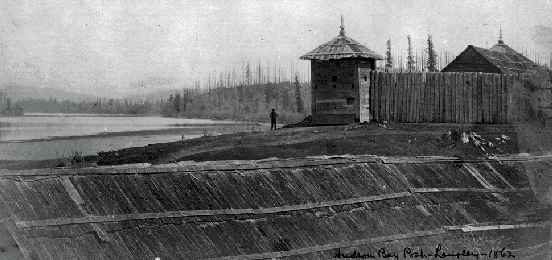
This is the part the official sources agree on. Parks Canada’s site guide describes Whattlekainum as the chief who positioned his nation to be the fort’s preferred trading partner. The Township’s study says the Kwantlen moved their main settlement upriver when the fort was established, to control and keep a trading advantage with the company. After the fort moved in 1839, the study says, the Kwantlen moved from Kanaka Creek across the river to McMillan Island, beside it. That island is still the heart of Kwantlen First Nation today, as McMillan Island Indian Reserve No. 6.
The local history adds that Whattlekainum led that resettlement because he expected the fort to offer protection from raids by the Yuculta (Lekwiltok) from the north.
Salmon and cranberries
Here’s where Whattlekainum changed what Fort Langley was. Parks Canada says he pressed the company’s traders to accept salmon and cranberries, not just furs. The fort began salting salmon by the barrel for Hawaii and shipping cranberries to California, and those exports kept the post going after the fur trade thinned out. By 1850, the fort’s chief trader James Murray Yale was packing about 2,000 barrels a year.
There’s a neat bit of Langley continuity in that: every October the Fort Langley Cranberry Festival draws thousands of people to the village, nearly two centuries after a Kwantlen chief talked the company into buying the berries.
What came after
The Township’s heritage study is plain that the good years didn’t last. It describes the company period up to 1858 as one of mutual benefit and comparative health for First Nations people, and what followed as displacement: settlement pushed First Nations onto small reserves, the Indian Act of 1876 restricted land, ceremony and economy, and residential schools followed. For more than a century the federal government called the Kwantlen the “Langley Indian Band.” In June 1994, the study notes, the name Kwantlen First Nation was reclaimed in a traditional ceremony.
Where he’s remembered
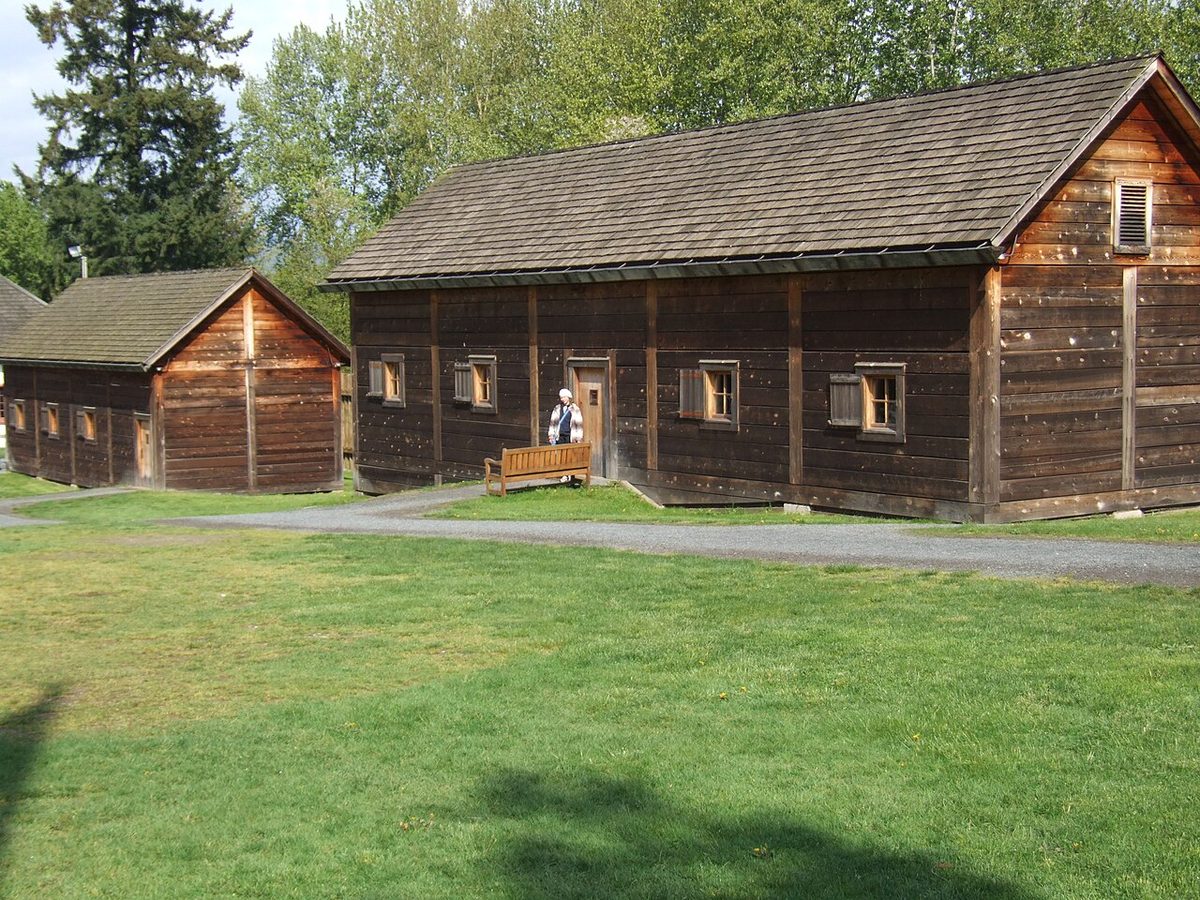
- Fort Langley National Historic Site has a panel on the Kwantlen First Nation and Whattlekainum’s trading role, near the trade window.
- Innes Square, Langley City has a chainsaw sculpture of him (spelled Whittlekainum in the City’s caption).
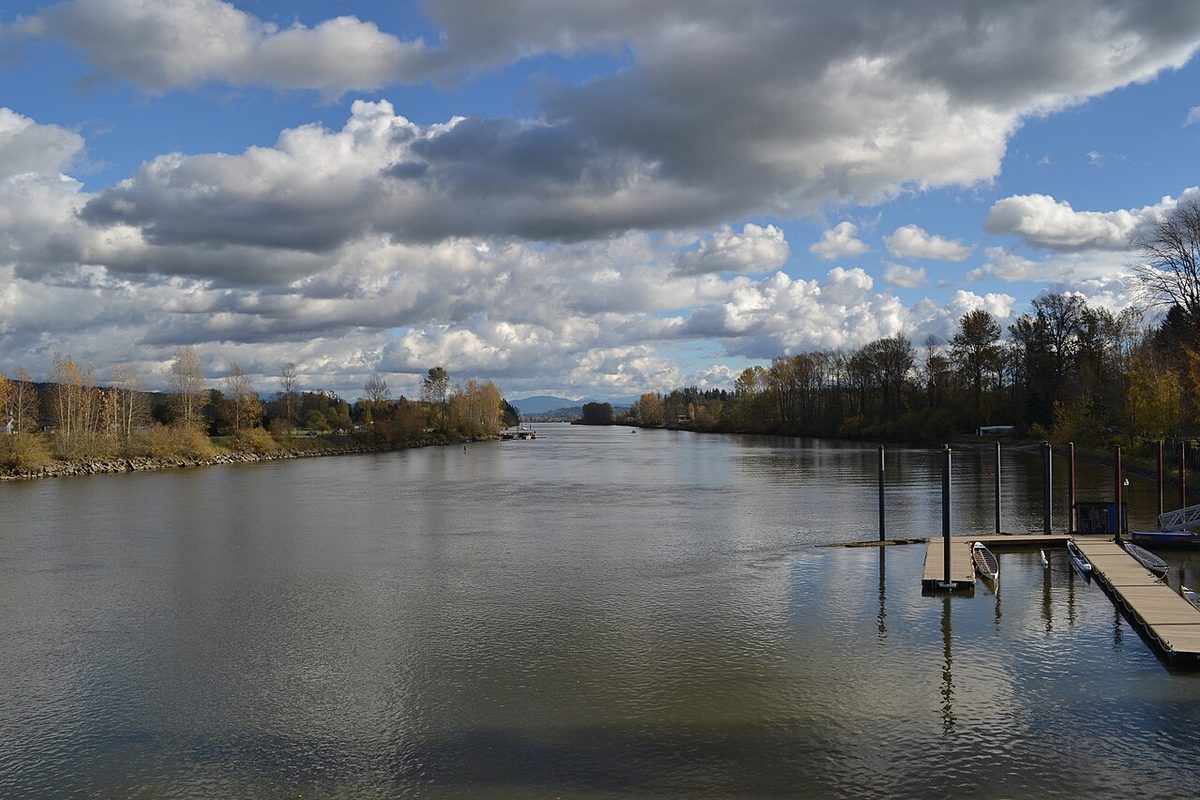
- McMillan Island across Bedford Channel, shown above, is where the community he led to the fort still lives. It’s a reserve and a residential community, not a park, so admire it from the village side unless you’re invited.
Related pages
If you’re Kwantlen and something here is wrong or missing, we’d especially like to hear from you. Tell us.
Last checked October 22, 2026. Spotted something out of date? Tell us.