- Born
- About 1783, probably at Glen Pean, Scotland
- Died
- January 26, 1858, Glasgow
- Known for
- Leading the 1824 expedition to the lower Fraser and building the first Fort Langley in 1827
- Time in Langley
- A few weeks in 1824, then about a year from 1827
- Named after him
- McMillan Island, home of Kwantlen First Nation; McMillan Park in the Township
- Last checked
- October 23, 2026
James McMillan spent barely a year in Langley, and nothing he built here is still standing. But he picked the spot, and everything else followed. Here’s his Langley story as a timeline, then what you can still find of it.
The timeline
- About 1783 Born in Scotland, probably at Glen Pean, the Dictionary of Canadian Biography says.
- 1803 or 1804 Joins the North West Company as a clerk.
- 1807 Crosses the Rockies with David Thompson on Thompson's first trip to the upper Columbia.
- 1821 The North West Company merges into the Hudson's Bay Company; McMillan becomes a chief trader in the Columbia district.
- November 1824 HBC governor George Simpson sends him north from Fort George, at the mouth of the Columbia, to scout the lower Fraser. The City of Langley's history counts 41 men in the party: Scottish, Irish, French-Canadian, Métis, Iroquois, American and Hawaiian.
- December 13, 1824 The party reaches the mouth of the Nicomekl River at Mud Bay, paddles upstream, and portages about 11 km over soggy prairie to the Salmon River, near today's Portage Park in the City. There they meet two Kwantlen boys. Local people had told them about the portage route.
- December 1824 Down the Salmon to the Fraser, upriver as far as today's Mission, then back to the sea and south.
- March 1827 Promoted to chief factor.
- July 1827 Back on the Fraser aboard the company schooner Cadboro. Six of the crew, the Township's heritage study notes, were Hawaiian, and they helped build the fort. McMillan's journal records trading knives for beaver skins with a Kwantlen chief, whom local histories identify as Whattlekainum.
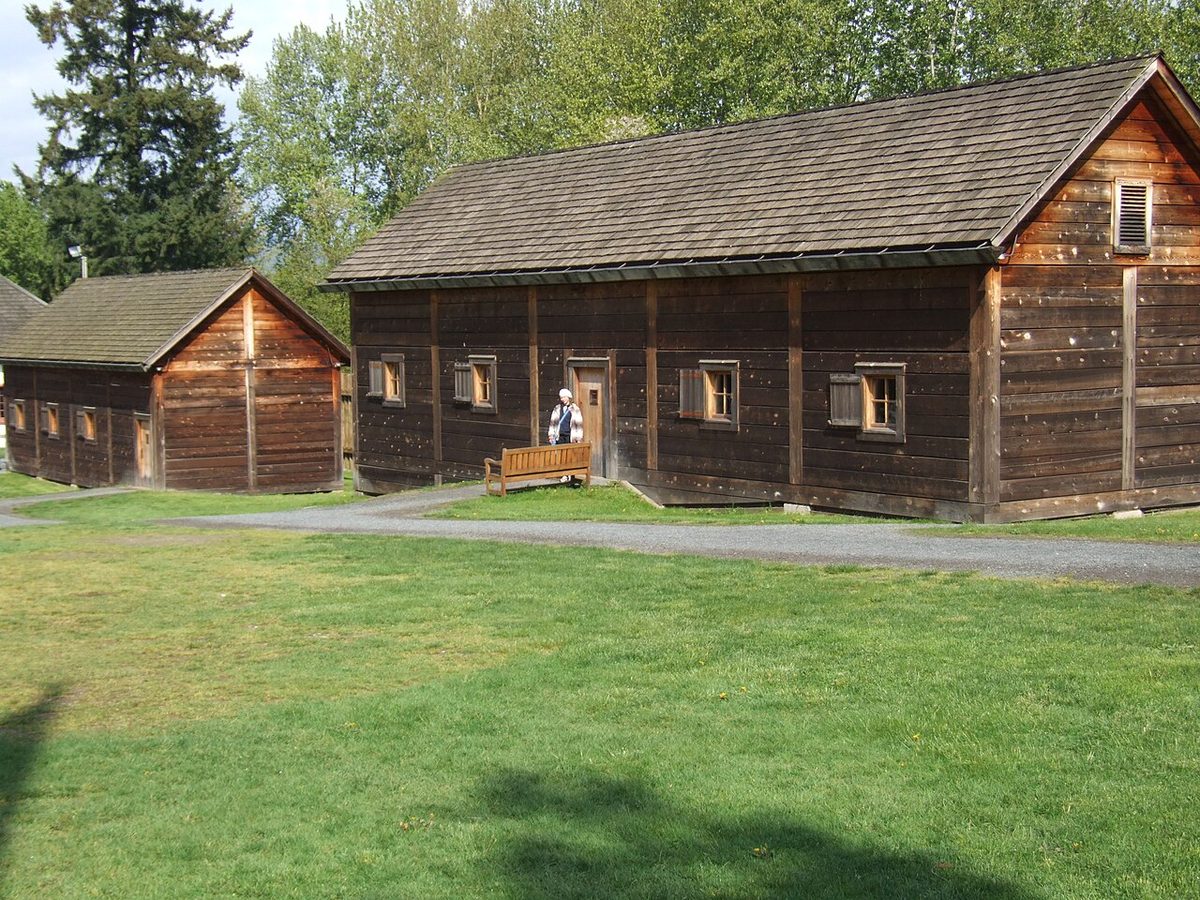
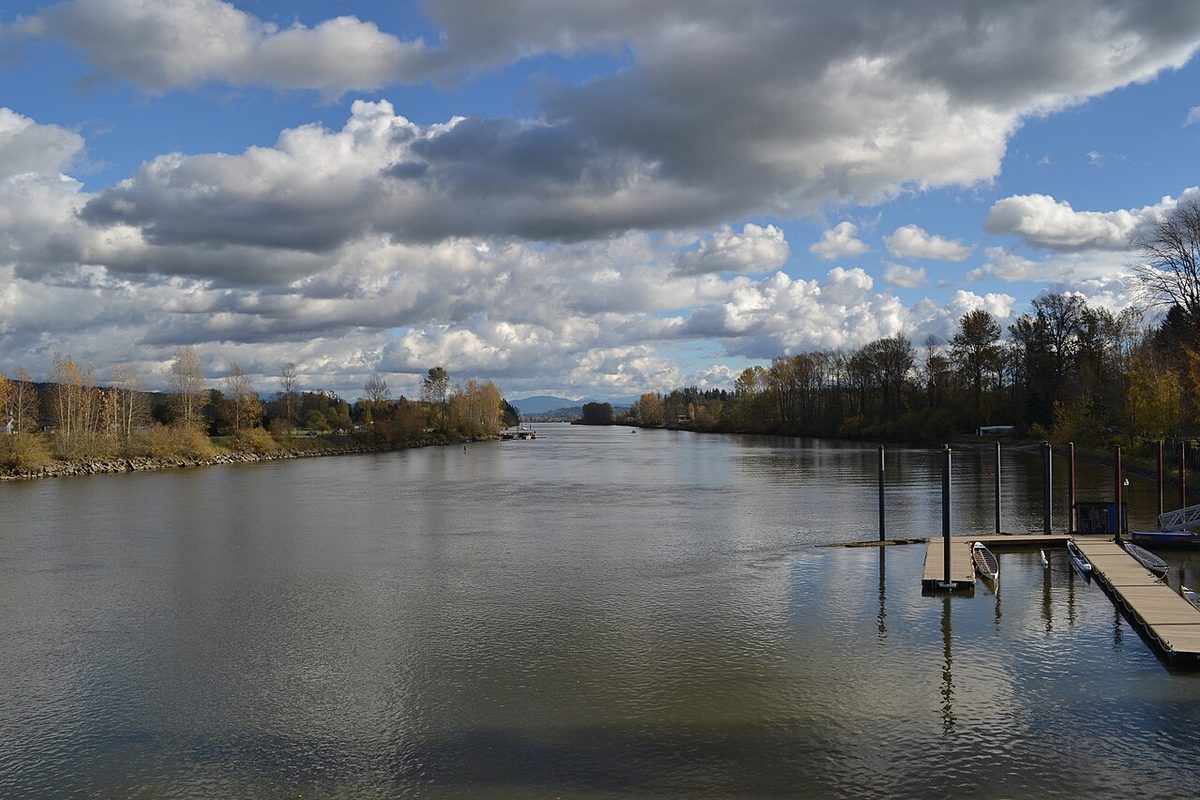
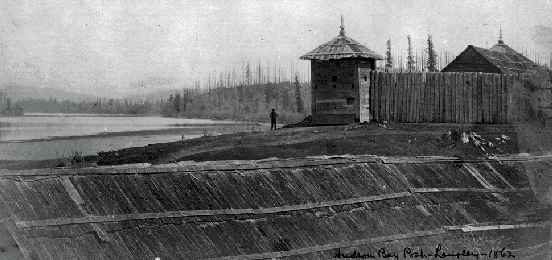
- 1827 The first Fort Langley goes up on the south bank of the Fraser at what became Derby, about four kilometres downstream of the present fort.
- 1828 Hands the post to Archibald McDonald and heads inland with Simpson, then on furlough to Scotland, where he marries Eleanor McKinley.
- 1839 Retires from the HBC and settles near Perth, Scotland, with his wife and eight children.
- January 26, 1858 Dies in Glasgow, ten months before the colony is proclaimed at the fort he founded.
Why the HBC wanted a fort here
The company wanted a share of the coastal fur trade, which American ships were taking, and a fallback depot in case it had to give up Fort Vancouver on the Columbia. McMillan’s report on the river was upbeat, and the Dictionary of Canadian Biography says it was misleading about how navigable the Fraser really was. The fort got built anyway, and in time it earned its keep through salmon, cranberries and farming rather than furs. Those chapters belong to Archibald McDonald, James Murray Yale and the Kwantlen leader Whattlekainum.
His family
Like most fur-trade officers of his day, McMillan had a family in the West before he had one in Scotland. The Dictionary of Canadian Biography says that around 1820 he took a Clatsop woman, Kil-a-ko-tah, as his country wife, and that their daughter Victoire married Joseph McLoughlin in 1839. He had other children in the fur country too. The biography doesn’t link any of them to Fort Langley.
Where to find him in Langley today
- McMillan Island. The island across Bedford Channel from the village, home of Kwantlen First Nation as McMillan Island Indian Reserve No. 6, is named after him, the biography notes. See Kwantlen First Nation.
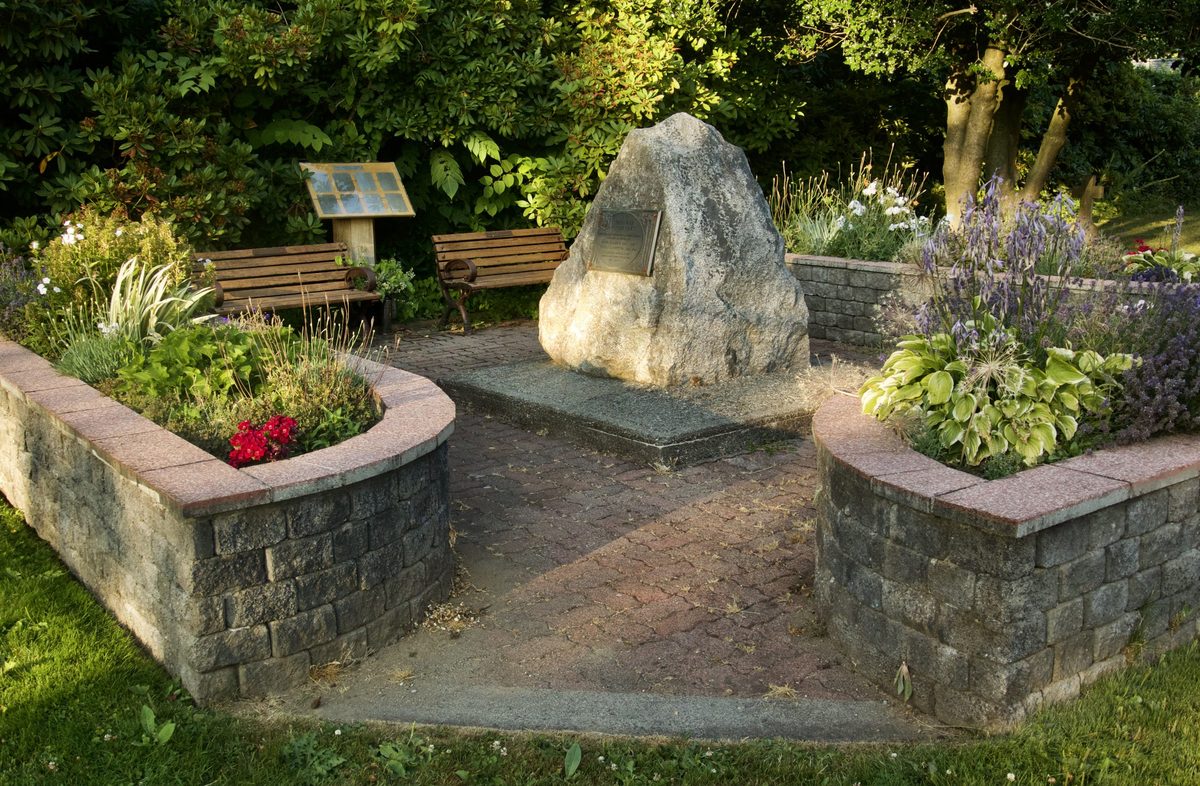
- Portage Park. The City’s history says a plaque here marks the 1824 portage between the Nicomekl and the Salmon. The park is part of the Nicomekl floodplain trails.
- McMillan Park. On the Salmon River at Trinity Western University; the City’s history says it has a plaque on the expedition too.
- Derby Reach. A cairn marks the first fort site at Derby Reach Regional Park.
Related pages
Something out of date? Tell us.
Last checked October 22, 2026. Spotted something out of date? Tell us.