- The law
- Most Langley rentals fall under BC's Residential Tenancy Act, secondary suites included
- Rent increase limit
- 2.3% in 2026; 2.2% from January 1, 2027
- Deposits
- Security deposit up to half a month's rent; pet deposit up to another half month
- Free tenant info
- TRAC Tenant Infoline 604-255-0546 or 1-800-665-1185
- The government line
- Residential Tenancy Branch 604-660-1020 or 1-800-665-8779, weekdays 9 am to 4 pm
- Local help for seniors
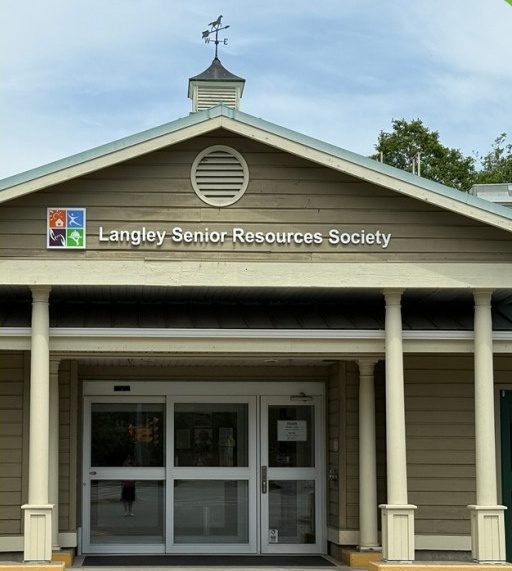
- Langley Senior Resources Society, 20605 51B Avenue · 604-530-3020
- Last checked
- October 25, 2026
Renting in Langley follows the same provincial rules as everywhere else in BC. The trick is knowing which rule applies at which stage. Here it is in order, from the first viewing to getting your deposit back.
We’re not lawyers, and this isn’t legal advice. When it matters, call one of the free lines in the box above.
Step 1: Before you sign
Check you’re covered. Most rentals are under the Residential Tenancy Act, including self-contained basement suites. Even a suite the municipality hasn’t approved can still be covered by the Act. The big exception: if you share a kitchen or bathroom with the owner, the Act doesn’t apply.
Budget for the real cost. TRAC’s checklist reminds you to add utilities, internet, laundry, parking and tenant insurance when they’re not included, and to think about transit, pets, roommates and how far you’ll be from work or school.
See it in person. TRAC recommends viewing a place before you send any money. That’s the easiest way to avoid a listing that isn’t real.
No application fees. Landlords aren’t allowed to charge you to apply or to run a screening check.
First place? TRAC suggests references from an employer, a teacher, a coach or a volunteer supervisor.
Looking for subsidized housing? BC Housing applications go either through the Housing Registry or directly to the housing provider, depending on the building.
Step 2: Signing and moving in
Get it in writing. The landlord has to use a written tenancy agreement with the standard terms. It should say the rent, how you pay, what’s included and any deposits. You must get a copy of the signed agreement within 21 days.
Deposits have limits. A security deposit can’t be more than half a month’s rent. A pet damage deposit can’t be more than another half month, however many pets you have. You can’t use the security deposit as your last month’s rent unless the landlord agrees in writing.
Do the move-in inspection. You and the landlord walk through together at the start, and again at the end. Take your own photos, and write down anything you disagree with on the report. You should get your copy of the move-in report within seven days.
Paying cash? The landlord has to give you a receipt.
Step 3: Living there
Rent increases. For an ordinary increase:
- at least 12 months since the rent started or the last legal increase;
- three full months’ notice, on the approved form;
- no more than the yearly limit: 2.3% for increases in 2026, 2.2% from January 1, 2027.
On $2,000 rent, that’s at most $46 under the 2026 limit or $44 under the 2027 one. Anything above the limit needs your written agreement or an order from the Residential Tenancy Branch.
Repairs. Landlords are generally responsible for heat, plumbing, electrical and the appliances that came with the place. Tenants handle ordinary cleanliness and basic upkeep. Put repair requests in writing and keep copies and photos. If written requests don’t get results, you can apply to the Residential Tenancy Branch for a repair order.
Landlord visits. For routine entry, the landlord must give written notice at least 24 hours and no more than 30 days ahead, with a reasonable purpose, date and time, normally between 8 am and 9 pm.
Step 4: Moving out
Month to month. Your written notice has to reach the landlord at least one full rental month before you leave, and before the day rent is due. With rent due on the 1st, notice received by November 30, 2026 ends the tenancy on December 31, 2026. Leave yourself time for however you’re delivering it.
Fixed term. Most fixed-term leases roll into month to month when the term ends. Leaving early can leave you owing rent, although a landlord claiming losses has to take reasonable steps to keep them down, like re-renting.
Your notice must be signed and dated and give the address and the end date.
On the last day, you’re out by 1 pm unless you’ve agreed otherwise. Leave the place reasonably clean and undamaged apart from normal wear and tear, and hand back all keys and fobs.
Getting your deposit back. Give the landlord your forwarding address in writing. Within 15 days of the later of the move-out date and getting that address, the landlord must return the deposit (with any interest owed), get your written OK for deductions, or apply to keep it. A landlord who misses that deadline can end up owing double.
If money’s tight
- Rental Assistance Program (RAP): for families with at least one dependent child and a household income of $60,000 or less before tax, with other conditions.
- SAFER: for renters 60 and over with a gross income under $40,000, with other conditions.
- BC Rent Bank: interest-free loans for rent, essential utilities and some move-in costs, if your income can cover ongoing costs and repayments. Apply online.
BC Housing’s RAP and SAFER pages were last updated in September 2026; check them for the current rules.
Free help in Langley
The Langley Senior Resources Society helps seniors in both the City and the Township with housing applications, SAFER, the Housing Registry and landlord problems. You don’t need to be a member. Its own pages list slightly different centre hours, so call 604-530-3020 to book a time. More about the society is on our Langley Senior Resources Society page.
For everyone else, the TRAC Tenant Infoline (604-255-0546 or 1-800-665-1185) gives free information on Monday, Tuesday and Thursday 1 to 5 pm, Wednesday 4:30 to 7:30 pm and Friday 9 am to 1 pm. The Residential Tenancy Branch (604-660-1020 or 1-800-665-8779) explains the rules and the dispute process weekdays 9 am to 4 pm, and from 11 am on the last Wednesday of the month.
Related
- Which city runs your water, garbage and bylaws: City vs. Township, who does what
- How Langley’s water and sewer work
- Struggling with groceries too? Food banks and help in Langley
- New to the country? New to Canada in Langley
Something out of date? Tell us.
Last checked October 24, 2026. Spotted something out of date? Tell us.